‹ The Simpsons: all episodes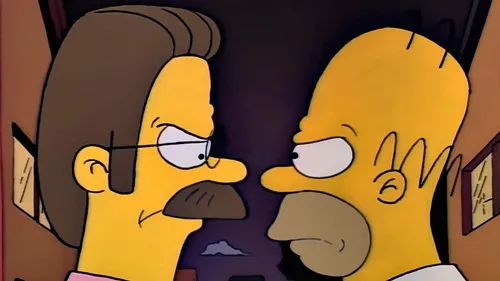
Season 2 · Episode 6
Dead Putting Society
B1LatAm dubRelaxed dialogueRelaxed: slower, easier to follow on Disney Plus
on Disney PlusBart and Todd Flanders decide to enter a miniature golf tournament. Homer becomes confident that Bart will win and makes a bet with Ned that the father of the boy that does not win will have to mow their neighbors lawn in their wife's Sunday dress.
27 words and expressions8 free to read and keep
Keep one and it comes back tomorrow, then 3 days, then a week, until you know it.
Worth remembering from this episode
Ordered by what we think matters most.
torneo
tournamentnoun (m)El torneo de ajedrez empieza el próximo sábado.The chess tournament starts next Saturday.pasto
lawn, grassnoun (m)Hay que cortar el pasto antes de que lleguen los invitados.We need to mow the lawn before the guests arrive.apuesta
bet, wagernoun (f)Hicieron una apuesta sobre quién terminaría primero el trabajo.They made a bet about who would finish the work first.empate
tie, drawnoun (m)El partido terminó en empate, ninguno de los dos ganó.The match ended in a tie; neither of them won.qué diablos
what the heck, what on earthexpressioncolloquialA mild expletive used to express resignation, surprise, or dismissal. Functions as a softened way of saying something stronger. Very common in everyday Latin American speech.
¿Qué diablos está pasando aquí? Llevamos una hora esperando.What on earth is going on here? We've been waiting an hour.tacones
high heelsnoun (m, pl)Caminar con tacones sobre el adoquín es bastante incómodo.Walking in high heels on cobblestones is quite uncomfortable.refregarlo por las narices
to rub someone's nose in it, to flaunt something at someoneexpressioncolloquialMeans to deliberately make someone aware of their inferiority or of something they lack, often in an irritating or smug way. The 'lo' refers to whatever is being flaunted.
Cada vez que ganaba, se lo refregaba por las narices a sus compañeros.Every time he won, he rubbed it in his teammates' faces.pan comido
a piece of cake, easyexpressioncolloquialUsed to describe something that is very easy to do. The literal meaning ('eaten bread') gives no clue to the idiomatic sense, making it a genuine non-compositional fixed expression.
Pensaba que el examen iba a ser difícil, pero fue pan comido.She thought the exam was going to be hard, but it was a piece of cake.
8 worth keeping from this episode. Free to read and keep.
An account is all it takes to keep them.
What Pro opens
- 13 more words and 6 more expressions here, and every entry in every other pack.
- Examples spoken in the show’s own dialect, not a browser voice.
Get Pro ›$59 $29.50 a year, or $8 $4 a month in USD. Early bird, 50% off for life. Cancel anytime.