‹ Hilda: all episodes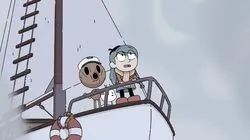
Season 2 · Episode 2
Chapter 2: The Draugen
B1LatAm dubRelaxed dialogueRelaxed: slower, easier to follow· 27 min on Netflix
on NetflixA quest to uncover secret information about Ahlberg leads Hilda on a high-seas adventure with the Wood Man that lands them in a boatload of trouble.
24 words and expressions9 free to read and keep
Keep one and it comes back tomorrow, then 3 days, then a week, until you know it.
Worth remembering from this episode
Ordered by what we think matters most.
¡Ya!
Go! / Now! / That's it! / Alright!expressioncolloquialOne of the most context-dependent words in Latin American Spanish. As a command it means 'go' or 'now'; as an affirmation it means 'alright' or 'done'; in frustration it can mean 'enough'. Intonation and context are everything.
Tres, dos, uno… ¡ya! Empiecen a correr.Three, two, one… go! Start running.el espíritu
spirit, ghostnoun (masculine)Según la leyenda, el espíritu de la anciana todavía camina por esa casa.According to the legend, the old woman's spirit still walks through that house.el sextante
sextant (navigational instrument)noun (masculine)Los navegantes antiguos usaban el sextante para calcular su posición en el mar.Ancient navigators used the sextant to calculate their position at sea.qué pasa
what's going on / what's happening / what's wrongexpressioncolloquialExtremely versatile: used as a greeting, an expression of confusion, or a demand for explanation depending on intonation. Universal across Latin America.
¿Qué pasa con tu cara? ¿Lloraste?What's going on with your face? Did you cry?el cabo
rope / line (nautical); also: corporal (military rank); cape (geography)noun (masculine)El marinero jaló el cabo para asegurar la vela antes de la tormenta.The sailor pulled the rope to secure the sail before the storm.ahogar(se)
to drown; to suffocateverb (reflexive)El niño casi se ahoga en el río porque no sabía nadar bien.The boy almost drowned in the river because he couldn't swim well.condenado/a
condemned, doomedadjective / past participleEl edificio viejo fue declarado condenado y nadie puede entrar.The old building was declared condemned and no one can enter.la tripulación
crew (of a ship, plane, etc.)noun (feminine)La tripulación del barco trabajó toda la noche para sobrevivir el temporal.The ship's crew worked all night to survive the storm.el atrevimiento
audacity, boldness, nervenoun (masculine)Tuve el atrevimiento de hablar con el director directamente sin pedir cita.I had the audacity to speak directly to the director without making an appointment.
9 worth keeping from this episode. Free to read and keep.
An account is all it takes to keep them.
What Pro opens
- 11 more words and 4 more expressions here, and every entry in every other pack.
- Examples spoken in the show’s own dialect, not a browser voice.
Get Pro ›$59 $29.50 a year, or $8 $4 a month in USD. Early bird, 50% off for life. Cancel anytime.