‹ Hilda: all episodes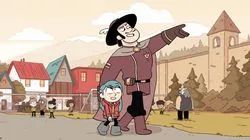
Season 2 · Episode 1
Chapter 1: The Troll Circle
B1LatAm dubRelaxed dialogueRelaxed: slower, easier to follow· 27 min on Netflix
on NetflixHilda's essay about her close encounter with a troll wins her the chance to tag along with Trolberg's new head of the safety patrol, Erik Ahlberg.
25 words and expressions7 free to read and keep
Keep one and it comes back tomorrow, then 3 days, then a week, until you know it.
Worth remembering from this episode
Ordered by what we think matters most.
trol
trollnoun (masculine)En los cuentos nórdicos, el trol vive bajo los puentes y asusta a los viajeros.In Nordic tales, the troll lives under bridges and frightens travelers.seguridad
security / safetynoun (feminine)El aeropuerto tiene cámaras en todas partes por motivos de seguridad.The airport has cameras everywhere for security reasons.campana
bellnoun (feminine)La campana de la iglesia sonó a las doce del mediodía.The church bell rang at noon.muro
wall (large, defensive)noun (masculine)Construyeron un muro alto alrededor del pueblo para protegerlo de las inundaciones.They built a tall wall around the town to protect it from floods.patrulla
patrolnoun (feminine)La patrulla recorrió las calles del barrio durante toda la noche.The patrol covered the neighborhood streets throughout the night.túnel
tunnelnoun (masculine)Los trabajadores excavaron un túnel bajo la montaña para conectar las dos ciudades.The workers dug a tunnel under the mountain to connect the two cities.defensa
defensenoun (feminine)El ejército reforzó las defensas de la frontera ante la amenaza de invasión.The army reinforced the border defenses in the face of an invasion threat.
7 worth keeping from this episode. Free to read and keep.
An account is all it takes to keep them.
What Pro opens
- 11 more words and 7 more expressions here, and every entry in every other pack.
- Examples spoken in the show’s own dialect, not a browser voice.
Get Pro ›$59 $29.50 a year, or $8 $4 a month in USD. Early bird, 50% off for life. Cancel anytime.