‹ Futurama: all episodes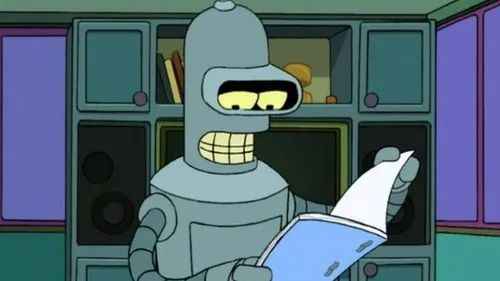
Season 5 · Episode 15
Bender Should Not Be Allowed on TV
B2LatAm dubRelaxed dialogueRelaxed: slower, easier to followon Hulu
Bender becomes a television star as well as a terrible role model for children.
22 words and expressions6 free to read and keep
Keep one and it comes back tomorrow, then 3 days, then a week, until you know it.
Worth remembering from this episode
Ordered by what we think matters most.
amnesia
amnesia, memory lossnoun (f)El personaje principal sufre amnesia y no recuerda a su familia.The main character suffers from amnesia and does not remember his family.casting
casting call, audition processnoun (m)Mañana hay un casting abierto para jóvenes actores en el teatro del centro.Tomorrow there is an open casting call for young actors at the downtown theater.audición
auditionnoun (f)Llegué muy nervioso a mi audición para la obra de teatro.I arrived very nervous to my audition for the play.turba
mob, angry crowdnoun (f)Una turba enfurecida rodeó el edificio exigiendo respuestas.An enraged mob surrounded the building demanding answers.modelo a imitar
role modelnoun phrase (m)Los deportistas famosos suelen ser modelos a imitar para los jóvenes.Famous athletes tend to be role models for young people.desperfecto
malfunction, breakdown, defectnoun (m)El desperfecto del ascensor dejó a varios empleados atrapados.The elevator malfunction left several employees trapped.
6 worth keeping from this episode. Free to read and keep.
An account is all it takes to keep them.
What Pro opens
- 11 more words and 5 more expressions here, and every entry in every other pack.
- Examples spoken in the show’s own dialect, not a browser voice.
Get Pro ›$59 $29.50 a year, or $8 $4 a month in USD. Early bird, 50% off for life. Cancel anytime.