‹ Death Inc.: all episodes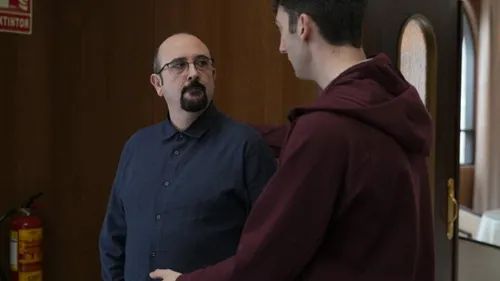
Season 2 · Episode 2
Episode 2
C1Castilian30 min on Netflix
 Castilianon Netflix
A Dámaso le entrevista una revista del sector funerario, ideal para contar su proyecto de La Ciudad del Deceso y continúa recabando pruebas para la exhumación. Chemi, quiere que Torregrosa tenga una línea lowcost para ofrecer velatorios más baratos.
27 words and expressions9 free to read and keep
Keep one and it comes back tomorrow, then 3 days, then a week, until you know it.
Worth remembering from this episode
Ordered by what we think matters most.
velatorio
wake, vigil (for the deceased)noun (masculine)El velatorio duró toda la noche y acudieron muchos amigos de la familia.The wake lasted all night and many family friends came.funeraria
funeral parlour, funeral home (the company)noun (feminine)La funeraria se encargó de todos los trámites tras el fallecimiento.The funeral parlour handled all the paperwork after the death.féretro
coffin, casketnoun (masculine)El féretro de madera fue transportado con mucho cuidado hasta el cementerio.The wooden coffin was transported very carefully to the cemetery.tanatorio
funeral home, mortuary (building where wakes are held)noun (masculine)Los familiares se reunieron en el tanatorio para despedirse del difunto.The family gathered at the funeral home to say goodbye to the deceased.difunto
deceased person, the deadnoun/adjective (masculine)Los allegados del difunto llegaron desde distintas ciudades para el entierro.The deceased's close ones arrived from different cities for the burial.Nubarrones
Mr Doom and Gloom, a nickname for a persistently negative or pessimistic person (literally 'storm clouds')expressioncolloquialUsed in the episode as a nickname for a character who consistently predicts the worst outcome. The noun 'nubarrón' means a large dark cloud, and the plural is applied to a person as a fixed nickname for a killjoy.
No seas nubarrones: puede que todo salga bien si nos organizamos.Don't be such a doom-monger: things might go well if we get organised.exhumación
exhumation, disintermentnoun (feminine)El juez autorizó la exhumación del cuerpo para realizar nuevas pruebas.The judge authorised the exhumation of the body for further testing.¡La virgen!
Good grief! Bloody hell! (exclamation of surprise or frustration)expressioncolloquialA mild oath invoking the Virgin Mary. Very common as a reaction to something unexpected, annoying, or impressive. No religious intent in everyday use; it is purely an exclamation.
¡La virgen, qué calor hace aquí dentro! ¿Es que no hay aire acondicionado?Good grief, it's so hot in here! Is there no air conditioning?
vulgar1 more entry, marked strong language because the episode uses it.Show itHide it
hijo de puta
son of a bitch (strong insult, also used as an exclamation of surprise or admiration)expressionvulgarExtremely common in informal speech. Tone shifts dramatically by context: it can express genuine anger, shocked admiration, or playful teasing between close friends. The same words can be affectionate or deeply offensive depending on relationship and delivery.
Cuando marcó el gol en el último segundo, todos gritaron: '¡Hijo de puta, qué golazo!'When he scored in the last second, everyone shouted: 'Son of a bitch, what a goal!'
9 worth keeping from this episode. Free to read and keep.
An account is all it takes to keep them.
What Pro opens
- 11 more words and 7 more expressions here, and every entry in every other pack.
- Examples spoken in the show’s own dialect, not a browser voice.
Get Pro ›$59 $29.50 a year, or $8 $4 a month in USD. Early bird, 50% off for life. Cancel anytime.