‹ The Simpsons: all episodes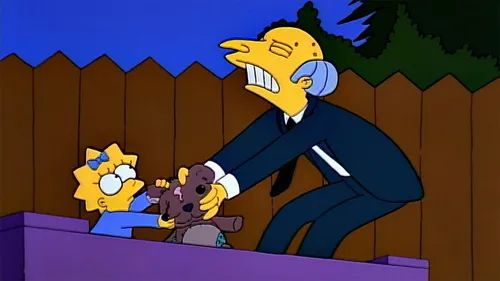
Season 5 · Episode 4
Rosebud
B1LatAm dubRelaxed dialogueRelaxed: slower, easier to follow on Disney Plus
on Disney PlusBurns longs for a childhood toy that winds up in the grip of Maggie.
24 words and expressions9 free to read and keep
Keep one and it comes back tomorrow, then 3 days, then a week, until you know it.
Worth remembering from this episode
Ordered by what we think matters most.
recompensa
reward, compensationnounEl municipio ofrece una recompensa para quien encuentre al perro perdido.The municipality is offering a reward for whoever finds the lost dog.hacerse el difícil
to play hard to get, to act difficult on purposeexpressioncolloquialDescribes someone who deliberately resists or stalls, not because they truly object, but as a negotiating tactic or to seem less eager. The phrase is non-compositional: the literal words ('making oneself difficult') do not signal the strategic, performative nature of the behavior.
No te hagas el difícil y acepta la oferta; sabes que es buena.Don't play hard to get and accept the offer; you know it's a good one.quebrarse
to crack, to cave in, to give up resistanceexpressioncolloquialLiterally means 'to break', but in negotiation or confrontation contexts it means to lose one's resolve and give in to pressure. The shift from physical breaking to psychological capitulation is not guessable without exposure to the colloquial use.
Resistió tres días sin decir nada, pero al final se quebró y confesó todo.He held out for three days without saying a thing, but in the end he cracked and confessed everything.arrastrándose
crawling back, coming beggingexpressioncolloquialLiterally 'dragging oneself', but used figuratively to describe someone who comes back in a position of total submission or desperation, especially after refusing to negotiate. The figurative register of defeat and humiliation is not obvious from the literal image alone.
Después de rechazar el trabajo, tuvo que volver arrastrándose cuando no encontró nada mejor.After turning down the job, he had to come crawling back when he couldn't find anything better.parodia
parody, spoofnounEl comediante hizo una parodia muy chistosa de los políticos locales.The comedian did a very funny parody of local politicians.arrollado
run over, knocked down by a vehicleadjective (past participle of arrollar)Un ciclista fue arrollado por un camión en la avenida principal.A cyclist was run over by a truck on the main avenue.humillar
to humiliate, to embarrass publiclyverbNadie tiene derecho a humillar a otra persona frente a sus compañeros.No one has the right to humiliate another person in front of their colleagues.apoderado
taken control of, seizedverb (past participle of apoderarse)Un grupo de hackers se apoderó del sistema informático de la empresa.A group of hackers took control of the company's computer system.desviado
diverted, reroutedadjective (past participle of desviar)El tráfico fue desviado por obras en la carretera principal.Traffic was diverted due to roadworks on the main highway.
9 worth keeping from this episode. Free to read and keep.
An account is all it takes to keep them.
What Pro opens
- 12 more words and 3 more expressions here, and every entry in every other pack.
- Examples spoken in the show’s own dialect, not a browser voice.
Get Pro ›$59 $29.50 a year, or $8 $4 a month in USD. Early bird, 50% off for life. Cancel anytime.