‹ The House of Flowers: all episodes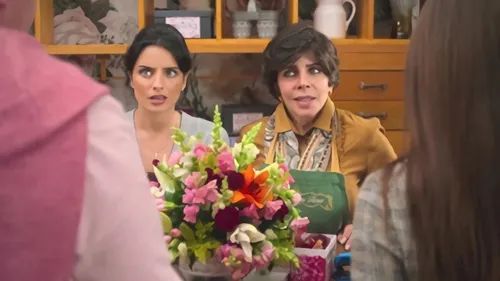
Season 1 · Episode 9
TULIP (symb. hope)
C1Mexican32 min on Netflix
 Mexicanon Netflix
A rival florist family makes the de la Moras a generous offer. Elena finds a way to keep Carmela quiet. Paulina confronts her mother about Dr. Cohen.
29 words and expressions11 free to read and keep
Keep one and it comes back tomorrow, then 3 days, then a week, until you know it.
Worth remembering from this episode
Ordered by what we think matters most.
florería
flower shopnoun (f)Mi tía abrió una florería en el centro de la ciudad.My aunt opened a flower shop downtown.propuesta
proposal, offernoun (f)El cliente presentó una propuesta muy generosa para comprar el local.The client presented a very generous proposal to buy the premises.seguidores
followers (social media)noun (m, pl)Su cuenta de cocina tiene más de un millón de seguidores.Her cooking account has more than a million followers.moral
morality, moralsnoun (f)El escándalo puso en duda la moral del político.The scandal called the politician's morals into question.orgullo
pridenoun (m)Participaron en el desfile del orgullo con mucha alegría.They participated in the pride parade with great joy.no manches
no way, come on, you're kiddingexpressioncolloquialA softened substitute for a stronger expletive. Expresses surprise, disbelief, or mild frustration. Extremely common in Mexican speech across all ages and appropriate in most informal contexts.
¿No manches, ya se terminó el pastel?No way, the cake is already gone?antes muerta
I'd rather be dead (than do that)expressioncolloquialShort for 'antes muerta que…', a hyperbolic expression of absolute refusal, very common in Mexican Spanish, particularly among women. Signals fierce pride or defiance.
¿Trabajar para ese señor? ¡Antes muerta!Work for that man? I'd rather be dead!más sabe el diablo por viejo que por diablo
the devil knows more from being old than from being the devil (experience beats cleverness)expressionA classic Mexican and broader Spanish-language proverb. Used by an older person to warn a younger one not to underestimate their experience. The implied meaning: 'I've seen it all before; don't try to outsmart me.'
No me intentes engañar — más sabe el diablo por viejo que por diablo.Don't try to fool me — experience beats cleverness every time.cárcel
jail, prisonnoun (f)El juez lo mandó a la cárcel por fraude.The judge sent him to jail for fraud.amante
lover, mistress/lover in an affairnoun (m/f)La revista publicó fotos del político con su amante.The magazine published photos of the politician with his lover.
vulgar1 more entry, marked strong language because the episode uses it.Show itHide it
a la verga
no way, absolutely not (expression of strong rejection or disbelief)expressionvulgarA very strong Mexican exclamation used to reject something outright or express shock. Context determines whether it reads as angry dismissal or incredulous surprise. Not appropriate in formal settings.
¿Que quieren que trabajemos gratis? ¡A la verga!They want us to work for free? No freaking way!
11 worth keeping from this episode. Free to read and keep.
An account is all it takes to keep them.
What Pro opens
- 10 more words and 8 more expressions here, and every entry in every other pack.
- Examples spoken in the show’s own dialect, not a browser voice.
Get Pro ›$59 $29.50 a year, or $8 $4 a month in USD. Early bird, 50% off for life. Cancel anytime.