‹ Simplemente Alicia: all episodes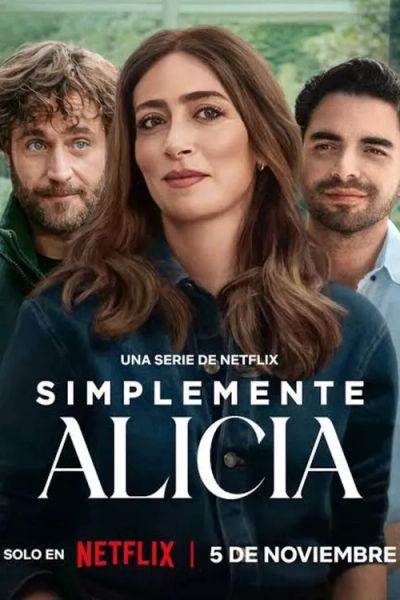
Season 1 · Episode 12
Madre solo hay una... gracias a Dios
B2ColombianFast dialogueFast: quicker, harder to follow· 40 min on Netflix
 Colombianon Netflix
A resourceful wife leads a double life, expertly juggling separate households and husbands while trying to keep her elaborate charade from falling apart.
26 words and expressions10 free to read and keep
Keep one and it comes back tomorrow, then 3 days, then a week, until you know it.
Worth remembering from this episode
Ordered by what we think matters most.
fundación
nonprofit foundation, charitable organizationnoun (f)La fundación recoge donaciones para construir escuelas en zonas rurales.The foundation collects donations to build schools in rural areas.renunciar
to resign, to quitverbDecidí renunciar al trabajo porque el ambiente era muy tóxico.I decided to quit the job because the environment was very toxic.alarma
alarm, security alarmnoun (f)La alarma se activó en plena madrugada y despertó a todo el edificio.The alarm went off in the middle of the night and woke up the whole building.desalojo
eviction, forced removalnoun (m)El desalojo de las familias fue ordenado por el juez la semana pasada.The eviction of the families was ordered by the judge last week.gabinete
cabinet (political), ministerial teamnoun (m)El presidente anunció los nuevos miembros de su gabinete esta mañana.The president announced the new members of his cabinet this morning.abortar
to abort, to have an abortion; also to abandon a planverbTuvieron que abortar la misión porque las condiciones climáticas eran peligrosas.They had to abort the mission because the weather conditions were dangerous.man
guy, dude (referring to a male person)expressioncolloquialBorrowed directly from English but fully integrated into everyday Colombian speech. Used naturally across age groups in informal contexts to refer to a man or a romantic partner.
El man que vive al lado siempre tiene la música altísima.The guy who lives next door always has the music way too loud.parce
buddy, pal, friendexpressioncolloquialShort for 'parcero' or 'parcera'. A core term of Colombian street and youth speech used to address a close friend. Warm and casual, not offensive.
Parce, te esperamos desde hace una hora, ¿qué pasó?Buddy, we've been waiting for you for an hour, what happened?cucho
old man, dad (affectionate or informal reference to an older male or father)expressioncolloquialIn Colombian informal speech, 'cucho' refers to an older man or one's own father. It can be affectionate or neutral depending on tone. 'Cucha' is the feminine form used for an older woman or mother.
Mi cucho no sabe nada de redes sociales, pero le encanta cocinar.My old man knows nothing about social media, but he loves to cook.prueba de ADN
DNA testnoun phrase (f)La prueba de ADN confirmó que eran hermanos biológicos.The DNA test confirmed that they were biological siblings.
10 worth keeping from this episode. Free to read and keep.
An account is all it takes to keep them.
What Pro opens
- 9 more words and 7 more expressions here, and every entry in every other pack.
- Examples spoken in the show’s own dialect, not a browser voice.
Get Pro ›$59 $29.50 a year, or $8 $4 a month in USD. Early bird, 50% off for life. Cancel anytime.