‹ Paquita Salas: all episodes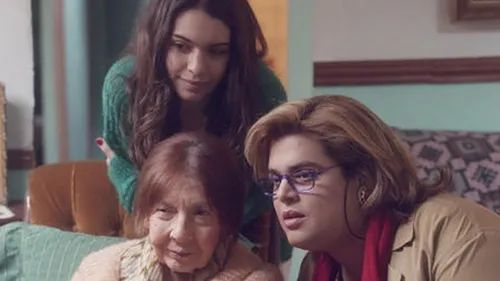
Season 1 · Episode 3
Back to Navarrete
C1CastilianFast dialogueFast: quicker, harder to follow· 21 min on Netflix
 Castilianon Netflix
La nueva apuesta de la agencia es Mariona. Una llamada inesperada hace que Paquita vuelva a su pueblo. Se reencontrará con su madre, sus viejos amigos y un antiguo amor.
27 words and expressions11 free to read and keep
Keep one and it comes back tomorrow, then 3 days, then a week, until you know it.
Worth remembering from this episode
Ordered by what we think matters most.
casting
audition / casting callnoun (m)Mañana tengo un casting para una serie de televisión.Tomorrow I have an audition for a television series.prueba
audition tape / test / trialnoun (f)Le enviaron la prueba grabada al director de casting.They sent the recorded audition tape to the casting director.de época
period (adjective: set in or relating to a historical era)expressionUsed in the entertainment industry and everyday speech to describe costume dramas, period clothing, or anything stylistically associated with a past historical period.
Le propusieron un papel en una serie de época ambientada en el siglo XIX.They offered her a role in a period drama set in the nineteenth century.representante
agent / representative (in the entertainment industry)noun (m/f)Su representante negoció el contrato con la productora.Her agent negotiated the contract with the production company.rodar
to film / to shoot (a movie or series)verbVan a rodar la nueva temporada en el sur de Francia.They are going to film the new season in the south of France.el pico
watch your mouth / language (as an interjection: 'mind your language')expressioncolloquialUsed as a sharp but not especially rude way to tell someone to stop swearing or speaking out of turn. Literally means 'beak' or 'tip'. Often said by an older or senior person to a younger one.
El pico, niño, que hay gente delante.Watch your mouth, kid, there are people around.protagonista
lead / main characternoun (m/f)Le ofrecieron el papel de protagonista en la obra de teatro.They offered her the lead role in the play.collarín
neck brace / cervical collarnoun (m)Después del accidente tuvo que llevar collarín durante dos semanas.After the accident she had to wear a neck brace for two weeks.no dar pie con bola
to not get anything right / to keep making mistakesexpressioncolloquialA very common fixed expression expressing total incompetence at a task, used without malice as well as in genuine frustration.
Llevaba toda la semana sin dormir y en la reunión no daba pie con bola.She had not slept all week and in the meeting she could not get anything right.flipar
to be gobsmacked / to be blown away / to not believe what you are seeingexpressioncolloquialExtremely common in everyday speech, especially among younger generations. Can express both positive amazement and incredulous disbelief depending on context and tone.
Estoy flipando con lo caro que está todo últimamente.I cannot believe how expensive everything has gotten lately.desorientarse
to become disoriented / to get confused (often used for cognitive decline)verbA veces se desorienta y no recuerda dónde ha dejado las cosas.Sometimes she gets disoriented and cannot remember where she has left things.
11 worth keeping from this episode. Free to read and keep.
An account is all it takes to keep them.
What Pro opens
- 10 more words and 6 more expressions here, and every entry in every other pack.
- Examples spoken in the show’s own dialect, not a browser voice.
Get Pro ›$59 $29.50 a year, or $8 $4 a month in USD. Early bird, 50% off for life. Cancel anytime.