‹ Paquita Salas: all episodes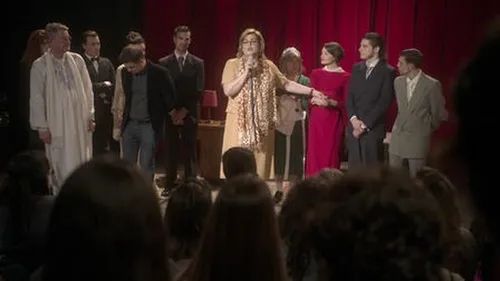
Season 1 · Episode 2
The Actress 360
C1CastilianFast dialogueFast: quicker, harder to follow· 21 min on Netflix
 Castilianon Netflix
Paquita regresa de la Seminci de Valladolid. Tras perder a su actriz fetiche, decide librarse de todo lo que le recuerda a ella y se lanza a cazar talentos.
28 words and expressions10 free to read and keep
Keep one and it comes back tomorrow, then 3 days, then a week, until you know it.
Worth remembering from this episode
Ordered by what we think matters most.
videobook
video portfolio/showreel (an actor's recorded audition reel)noun (masculine)El director de casting le pidió que enviara su videobook antes del lunes.The casting director asked him to send his showreel before Monday.360
all-round, versatile (an actor who excels across drama, comedy, singing, dancing, etc.)expressioncolloquialUsed in the Spanish entertainment industry to describe a performer with no weak spots. The number alone carries the meaning in professional conversations about casting.
En el mundo del espectáculo, ser un artista 360 es lo que más valoran los directores de casting hoy en día.In the entertainment world, being an all-round performer is what casting directors value most nowadays.representante
talent agent, representativenoun (masculine/feminine)Después de ganar el premio, muchos actores jóvenes buscaron un representante.After winning the award, many young actors looked for an agent.talento
talentnoun (masculine)La escuela de teatro descubrió un talento enorme en aquella chica.The theatre school discovered enormous talent in that girl.agencia
agencynoun (feminine)Fundó su propia agencia de representación artística hace diez años.She founded her own talent representation agency ten years ago.share
audience share (TV ratings percentage)noun (masculine, loanword)El programa consiguió un share de casi el treinta por ciento el viernes.The programme achieved an audience share of almost thirty percent on Friday.encasillar
to typecast, to pigeonholeverbMuchos actores temen que hacer siempre el mismo tipo de papel los encasille.Many actors fear that always playing the same type of role will typecast them.quedarse antiguo
to become outdated, to fall behind the timesexpressioncolloquialUsed about people or methods that are no longer relevant or current in a professional sense. A pointed insult in a professional rivalry context.
Si no te adaptas a las nuevas plataformas digitales, te quedarás antiguo en este sector.If you don't adapt to new digital platforms, you'll fall behind the times in this industry.tablas
the stage (theatrical experience, literal boards of the stage)noun (feminine plural)Lleva veinte años encima de las tablas y se nota en cada actuación.She has been on stage for twenty years and it shows in every performance.
vulgar1 more entry, marked strong language because the episode uses it.Show itHide it
estar hasta el coño
to be absolutely fed up, to have had enoughexpressionvulgarA strongly vulgar expression of total exasperation. Equivalent in force to 'estar hasta los cojones'. Used only in very informal, emotional contexts and would be considered offensive in polite company.
Después de tantas horas de espera, estoy hasta el coño de esta situación.After so many hours of waiting, I'm absolutely fed up with this situation.
10 worth keeping from this episode. Free to read and keep.
An account is all it takes to keep them.
What Pro opens
- 10 more words and 8 more expressions here, and every entry in every other pack.
- Examples spoken in the show’s own dialect, not a browser voice.
Get Pro ›$59 $29.50 a year, or $8 $4 a month in USD. Early bird, 50% off for life. Cancel anytime.