‹ Pablo Escobar, el patrón del mal: all episodes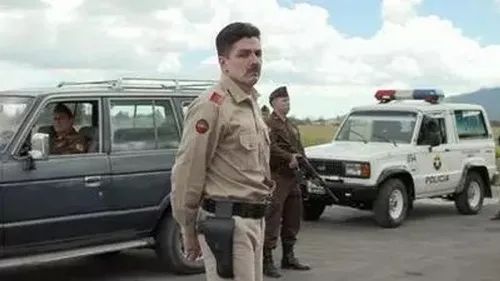
Season 1 · Episode 69
Colonel Quintana is killed
C1Colombian45 min on Netflix
 Colombianon Netflix
Escobar's order was very clear and his men carried out his words to the letter, causing a sea of pain to family, friends and colleagues of Colonel Quintana. Now Galán is increasingly in the sights of the organization.
29 words and expressions11 free to read and keep
Keep one and it comes back tomorrow, then 3 days, then a week, until you know it.
Worth remembering from this episode
Ordered by what we think matters most.
caleta
hiding spot, stash (for money or contraband)noun (feminine)Encontraron una caleta detrás de la pared con billetes y documentos.They found a stash behind the wall with bills and documents.mano
buddy, man, bro (short for hermano)expressioncolloquialExtremely common in everyday Colombian speech as a casual address between males. Used across social classes and age groups. Conveys familiarity and informality without being disrespectful.
Mano, ¿vos sabés dónde quedó el carro?Bro, do you know where the car ended up?encierro
confinement, imprisonmentnoun (masculine)Después de tres meses de encierro, necesitaba salir a caminar.After three months of confinement, he needed to go out for a walk.producido
earnings, proceeds (from criminal or business operations)noun (masculine)Al final del mes repartían el producido entre los socios.At the end of the month they split the earnings among the partners.tregua
truce, ceasefirenoun (feminine)Los dos grupos rivales acordaron una tregua para evitar más muertos.The two rival groups agreed to a truce to avoid more deaths.berenjenal
mess, complicated trouble, a tangled situationexpressioncolloquialLiterally refers to an eggplant patch (hard to navigate). Used figuratively for a complicated, problematic situation someone has gotten into. Common across Latin America but well established in Colombian usage.
Se metió en un berenjenal con esa deuda y no sabe cómo salir.He got himself into a real mess with that debt and doesn't know how to get out.traquetear
to traffic drugs, to hustle in the drug tradeexpressioncolloquialIn Colombian criminal slang, traquetear means operating actively in the drug business. The noun traqueto refers to a drug trafficker. These terms emerged from Colombian cartel culture and are now widely understood throughout the country.
Desde joven andaba traqueteando por los barrios del sur.From a young age he was running drugs through the neighborhoods in the south.sicario
hired hitman, contract killernoun (masculine)El sicario recibió órdenes de no actuar hasta nuevo aviso.The hitman received orders not to act until further notice.extradición
extraditionnoun (feminine)La extradición de ciudadanos colombianos era un tema muy debatido en esa época.The extradition of Colombian citizens was a hotly debated topic at that time.imputar
to charge (legally), to attribute a crime to someoneverbNo pudieron imputarle ningún cargo porque las pruebas eran insuficientes.They could not charge him with anything because the evidence was insufficient.
vulgar1 more entry, marked strong language because the episode uses it.Show itHide it
huevonada
stupid thing, nonsense, a dumb moveexpressionvulgarDerived from huevón. Used to dismiss something as foolish or pointless. Very common in informal Colombian speech; tone ranges from frustrated to affectionately teasing depending on context.
Perder el tiempo así es una huevonada enorme.Wasting time like that is a huge load of nonsense.
11 worth keeping from this episode. Free to read and keep.
An account is all it takes to keep them.
What Pro opens
- 10 more words and 8 more expressions here, and every entry in every other pack.
- Examples spoken in the show’s own dialect, not a browser voice.
Get Pro ›$59 $29.50 a year, or $8 $4 a month in USD. Early bird, 50% off for life. Cancel anytime.