‹ Pablo Escobar, el patrón del mal: all episodes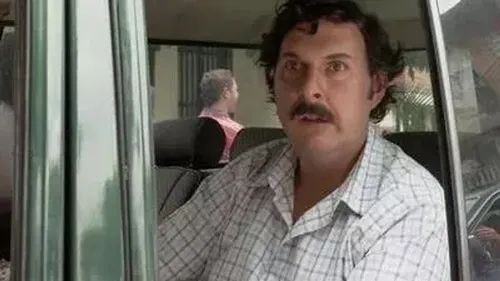
Season 1 · Episode 59
Escobar does not let his head have a price
C1Colombian45 min on Netflix
 Colombianon Netflix
Gerardo Carrera orders his men to park a car bomb against Escobar, in front of the building where his family lives. After the explosion Paty and Emilio in the middle of the chaos help Daniela who was trapped in a very bad state.
27 words and expressions11 free to read and keep
Keep one and it comes back tomorrow, then 3 days, then a week, until you know it.
Worth remembering from this episode
Ordered by what we think matters most.
tombo
cop / police officerexpressioncolloquialWidely used in Colombia to refer to police, especially in street and criminal contexts. Not inherently insulting but distinctly informal and distancing, never used by police about themselves.
Bájale al volumen que hay un tombo en la esquina.Turn down the volume, there's a cop on the corner.parce
buddy / bro / mateexpressioncolloquialShortened form of 'parcero'. Extremely common in Medellín and throughout Colombia, used between close friends or peers. Warm and familiar in tone.
Oye, parce, ¿a qué horas nos vemos esta noche?Hey bro, what time are we meeting tonight?sapo
snitch / informantexpressioncolloquialLiterally 'toad', used figuratively for someone who betrays others by talking to authorities. Carries strong moral condemnation in street culture. Calling someone a sapo is a serious accusation.
En ese barrio nadie quiere ser visto como sapo.In that neighborhood nobody wants to be seen as a snitch.recompensa
reward / bountynoun (f)El gobierno ofreció una recompensa millonaria por información sobre el fugitivo.The government offered a million-peso reward for information about the fugitive.caleta
hideout / stash housenoun (f)La Policía encontró una caleta llena de armas en las afueras de la ciudad.The police found a hideout full of weapons on the outskirts of the city.anillo de seguridad
security perimeter / protective ringnoun phrase (m)El narcotraficante tenía varios anillos de seguridad alrededor de su finca.The drug trafficker had several security perimeters around his ranch.escolta
bodyguard / armed escortnoun (f/m)El ministro no sale a ningún lado sin su escolta personal.The minister doesn't go anywhere without his personal bodyguard.trocha
dirt path / narrow trail through jungle or countrysidenoun (f)Tuvimos que avanzar por una trocha oscura para no ser vistos.We had to advance along a dark dirt path to avoid being seen.dar de baja
to kill (in official/military context) / to take downverb phraseEl comandante confirmó que sus hombres habían dado de baja a dos criminales.The commander confirmed that his men had taken down two criminals.sobornar
to bribeverbIntentaron sobornar al juez con una suma enorme de dinero.They tried to bribe the judge with an enormous sum of money.
vulgar1 more entry, marked strong language because the episode uses it.Show itHide it
pirobo
son of a bitch / assholeexpressionvulgarA strong insult used in anger or intense confrontation. Common in Colombian street speech. Can also be used with some irony between friends, but its primary tone is aggressive.
¡Soltá eso, pirobo, que eso no te pertenece!Let that go, you asshole, that doesn't belong to you!
11 worth keeping from this episode. Free to read and keep.
An account is all it takes to keep them.
What Pro opens
- 10 more words and 6 more expressions here, and every entry in every other pack.
- Examples spoken in the show’s own dialect, not a browser voice.
Get Pro ›$59 $29.50 a year, or $8 $4 a month in USD. Early bird, 50% off for life. Cancel anytime.