‹ Pablo Escobar, el patrón del mal: all episodes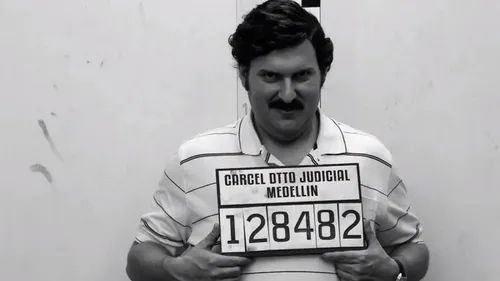
Season 1 · Episode 3
Pablo Escobar escapes from jail
C1Colombian45 min on Netflix
 Colombianon Netflix
Pablo and Gonzalo's ambition leads them to embark on new and dangerous businesses; shortly after he is captured and later escapes from jail. See another chapter of this story.
29 words and expressions12 free to read and keep
Keep one and it comes back tomorrow, then 3 days, then a week, until you know it.
Worth remembering from this episode
Ordered by what we think matters most.
mercancía
merchandise; in criminal contexts, drugsnoun (f)El agente decomisó toda la mercancía en la frontera.The agent seized all the merchandise at the border.merca
merchandise; drugs (shortened slang)expressioncolloquialShortened form of mercancía. In everyday contexts it can mean goods or shopping, but in criminal or street contexts it refers specifically to drugs. Context is decisive.
Dicen que les incautaron toda la merca antes de que pudieran moverla.They say all the goods were seized before they could move them.camellar
to work hard, to grindverbHay que camellar duro si queremos salir adelante.You have to work hard if we want to get ahead.tombos
cops, policeexpressioncolloquialCommon slang for police in Colombian Spanish, generally used in informal or street contexts. Carries a mildly dismissive tone.
Cuidado que hay tombos por toda la avenida hoy.Watch out, there are cops all along the avenue today.pilas
stay alert, be sharp, watch outexpressioncolloquialLiterally 'batteries'. Used as a warning or encouragement to pay attention and be on guard. Very common in Colombia across all age groups.
Pilas con lo que firmás, que ese contrato tiene trampa.Be sharp about what you sign, that contract has a catch.decomisado
seized, confiscatedadjective / past participleEl cargamento fue decomisado por las autoridades en el puerto.The shipment was seized by authorities at the port.retén
checkpoint, roadblocknoun (m)Había un retén policial a la entrada del municipio.There was a police checkpoint at the entrance to the town.requisa
search, frisk, inspectionnoun (f)Todos los pasajeros tuvieron que pasar por una requisa antes de abordar.All passengers had to go through a search before boarding.soborno
bribe, briberynoun (m)El funcionario fue capturado por aceptar un soborno.The official was caught for accepting a bribe.orden de captura
arrest warrantnoun phrase (f)El juez firmó una orden de captura contra el sospechoso.The judge signed an arrest warrant against the suspect.disturbio
disturbance, riot, unrestnoun (m)Los disturbios en el pabellón obligaron a suspender las visitas.The disturbances in the wing forced the suspension of visits.
vulgar1 more entry, marked strong language because the episode uses it.Show itHide it
huevón
dude, man, idiot (depending on tone)expressionvulgarExtremely common in Colombian informal speech between men. Tone is everything: among close friends it is affectionate and casual; directed at someone in anger it becomes an insult. The meaning shifts entirely with delivery.
Ey huevón, ¿cuándo me vas a devolver la plata que te presté?Hey man, when are you going to pay me back the money I lent you?
12 worth keeping from this episode. Free to read and keep.
An account is all it takes to keep them.
What Pro opens
- 10 more words and 7 more expressions here, and every entry in every other pack.
- Examples spoken in the show’s own dialect, not a browser voice.
Get Pro ›$59 $29.50 a year, or $8 $4 a month in USD. Early bird, 50% off for life. Cancel anytime.