‹ Pablo Escobar, el patrón del mal: all episodes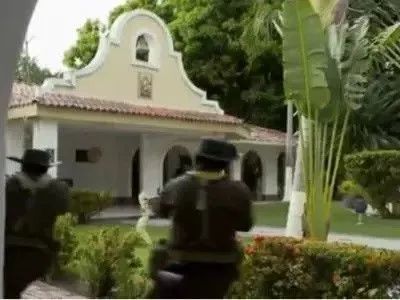
Season 1 · Episode 29
The Police, in the footsteps of Herber
C1Colombian45 min on Netflix
 Colombianon Netflix
After losing track of Marcos Herber in a first capture attempt, the Police arrive by surprise at the farm where he is hiding.
29 words and expressions12 free to read and keep
Keep one and it comes back tomorrow, then 3 days, then a week, until you know it.
Worth remembering from this episode
Ordered by what we think matters most.
patrón
boss, chief (used as a respectful address to a powerful employer)noun (masculine)Los trabajadores saludaron al patrón cuando llegó a la finca.The workers greeted the boss when he arrived at the farm.finca
rural property, farm, country estatenoun (feminine)Pasamos el fin de semana en la finca de mi tío en el Eje Cafetero.We spent the weekend at my uncle's country estate in the Coffee Region.extradición
extraditionnoun (feminine)El Gobierno firmó la orden de extradición del narcotraficante.The Government signed the extradition order for the drug trafficker.captura
capture, arrestnoun (feminine)La captura del delincuente fue anunciada en todos los noticieros.The capture of the criminal was announced on all news channels.tombo
cop, police officerexpressioncolloquialVery common Colombian informal term for a police officer. Not particularly offensive but distinctly street-level; used naturally across social classes in informal speech.
Bajá la música que ahí viene un tombo.Turn the music down, there's a cop coming.encanar
to lock up, to throw in jailexpressioncolloquialColombian slang for being arrested and imprisoned. Comes from 'cana', a colloquial word for jail.
Si te cogen con eso, te encanarán de una.If they catch you with that, they'll lock you up right away.azararse
to panic, to get nervous, to freak outexpressioncolloquialDistinctly Colombian. Describes losing composure out of fear or nerves. Often used to tell someone to calm down.
No te azares, que todavía hay tiempo para llegar.Don't freak out, there's still time to get there.anillo de seguridad
security perimeter, protective ring of armed guardsnoun phrase (masculine)El candidato viajó rodeado de tres anillos de seguridad.The candidate traveled surrounded by three security perimeters.sapo
snitch, informantexpressioncolloquialLiterally 'toad', but widely used to mean someone who gives information to the authorities or betrays associates. Carries strong social stigma in criminal and street contexts.
Nadie lo invita a nada porque dicen que es un sapo.Nobody invites him to anything because they say he's a snitch.narcotraficante
drug traffickernoun (masculine/feminine)El narcotraficante fue condenado a veinte años de prisión.The drug trafficker was sentenced to twenty years in prison.comando
special operations unit, strike teamnoun (masculine)Formaron un comando de élite para la operación.They formed an elite strike team for the operation.vereda
rural administrative subdivision of a municipality (smaller than a township)noun (feminine)Mi abuela nació en una vereda del municipio de Rionegro.My grandmother was born in a rural subdivision of the municipality of Rionegro.
12 worth keeping from this episode. Free to read and keep.
An account is all it takes to keep them.
What Pro opens
- 9 more words and 8 more expressions here, and every entry in every other pack.
- Examples spoken in the show’s own dialect, not a browser voice.
Get Pro ›$59 $29.50 a year, or $8 $4 a month in USD. Early bird, 50% off for life. Cancel anytime.