‹ Pablo Escobar, el patrón del mal: all episodes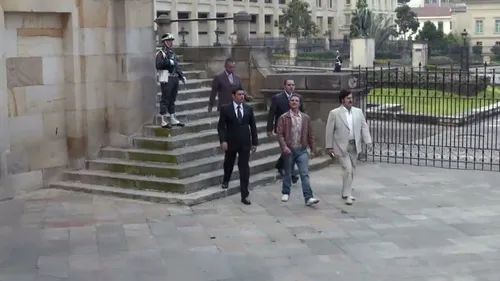
Season 1 · Episode 12
Escobar is elected as 'honorable' representative to the House
C1Colombian45 min on Netflix
 Colombianon Netflix
Pablo Escobar becomes a new parliamentarian of the Republic of Colombia, while Luis Carlos Galán gains strength with his independent party despite having lost the presidential elections.
29 words and expressions11 free to read and keep
Keep one and it comes back tomorrow, then 3 days, then a week, until you know it.
‹
Escobar is elected as 'honorable' representative to the House
S01E12 · Pablo Escobar, el patrón del mal
C1
Worth remembering from this episode
Ordered by what we think matters most.
laboratorio
laboratory; in this context, a drug-processing facilitynounLa policía halló un laboratorio clandestino en las afueras de la ciudad.Police found a clandestine lab on the outskirts of the city.mafioso
mafioso, organized-crime member; corrupt personnoun/adjectiveEl alcalde fue señalado como mafioso por sus vínculos con grupos criminales.The mayor was called a mafioso for his ties to criminal groups.mamado
fed up, exhausted, done with somethingexpressioncolloquialVery common in everyday Colombian speech. 'Estoy mamado' signals exasperation or total fatigue with a situation. Not vulgar, but distinctly informal.
Ya estoy mamado de esperar el bus cada mañana en la lluvia.I'm totally fed up with waiting for the bus in the rain every morning.merca
drugs, merchandise (specifically illicit drugs in criminal contexts)expressioncolloquialShort for 'mercancía'. In everyday Colombian speech it can mean groceries, but in criminal or narco contexts it refers exclusively to drugs. Context disambiguates.
La policía interceptó un cargamento de merca en la carretera.Police intercepted a drug shipment on the highway.narcotraficante
drug traffickernounLas autoridades capturaron a varios narcotraficantes en el puerto.Authorities captured several drug traffickers at the port.expediente
case file, legal dossiernounEl juez revisó el expediente antes de dictar sentencia.The judge reviewed the case file before issuing the sentence.retractarse
to retract, to take back what one saidverbEl periodista se negó a retractarse de su reportaje sobre la corrupción.The journalist refused to retract his corruption report.operativo
operation, law-enforcement operationnounEl coronel coordinó un operativo para desmantelar la red criminal.The colonel coordinated an operation to dismantle the criminal network.parcero
buddy, pal, close friendexpressioncolloquialQuintessentially Colombian and paisa in origin. Widely used across social classes and ages, especially in Medellín. Shortened to 'parce' in fast speech. Marks in-group solidarity.
Oye, parcero, ¿vamos a jugar fútbol esta tarde?Hey buddy, are we going to play football this afternoon?verraco
intense, tough, impressive; can also be an intensifier of frustrationexpressioncolloquialHighly versatile Colombian term. Can be admiring ('que verraco ese man' = what a beast that guy is) or express something being seriously difficult. Not vulgar but informal.
Ese examen estuvo verraco, casi nadie pasó.That exam was brutal, almost nobody passed.allanamiento
raid, search (by police)nounDurante el allanamiento encontraron documentos comprometedores.During the raid they found compromising documents.
11 worth keeping from this episode. Free to read and keep.
An account is all it takes to keep them.
What Pro opens
- 10 more words and 8 more expressions here, and every entry in every other pack.
- Examples spoken in the show’s own dialect, not a browser voice.
Get Pro ›$59 $29.50 a year, or $8 $4 a month in USD. Early bird, 50% off for life. Cancel anytime.