‹ One Hundred Years of Solitude: all episodes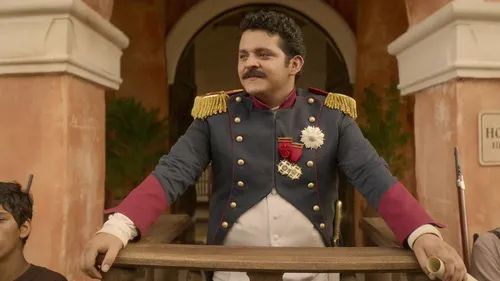
Season 1 · Episode 7
Arcadio and the Liberal Paradise
C1Colombian on Netflix
 Colombianon Netflix
Arcadio enforces liberal rule in Macondo, while Aureliano attempts to free a colonel from the conservatives. The looming threat of war finally arrives.
28 words and expressions11 free to read and keep
Keep one and it comes back tomorrow, then 3 days, then a week, until you know it.
Worth remembering from this episode
Ordered by what we think matters most.
mijo
son, kid, buddy (term of address)expressioncolloquialContracted from 'mi hijo'. Used widely in Colombia as a warm or sometimes scolding term of address between older and younger people, or between any two people with close familiarity. Can carry affection or gentle reprimand depending on tone.
Mijo, ya coma que se va a enfriar la comida.Come on, son, eat up before the food gets cold.fusil ar
to shoot (by firing squad), to executeverbEl general ordenó fusilar a los prisioneros al amanecer.The general ordered the prisoners to be shot at dawn.pelotón
firing squad; also: platoonnoun (m)El pelotón se formó frente al muro a las seis de la mañana.The firing squad lined up in front of the wall at six in the morning.retirada
retreat, withdrawalnoun (f)El comandante ordenó la retirada cuando vio que los superaban en número.The commander ordered the retreat when he saw they were outnumbered.rendirse
to surrender, to give upverb (reflexive)Los soldados decidieron rendirse antes de que cayera la noche.The soldiers decided to surrender before nightfall.corregidor
local magistrate, colonial-era administrative officialnoun (m)El corregidor era el responsable de mantener el orden en el pueblo.The magistrate was responsible for maintaining order in the town.brazalete
armband, braceletnoun (m)Los voluntarios llevaban un brazalete rojo para identificarse.The volunteers wore a red armband to identify themselves.a plomo
at gunpoint; by shooting, with bulletsexpressioncolloquial'Plomo' literally means lead (the metal). The phrase 'sacar a plomo' or threats involving 'plomo' mean using firearms. Common in Colombian informal speech when referring to armed violence.
Les dijeron que si no se iban, los sacarían a plomo.They were told that if they didn't leave, they'd be driven out by gunfire.servicio militar obligatorio
compulsory military servicenoun phrase (m)El gobierno anunció que el servicio militar obligatorio se ampliaría a dos años.The government announced that compulsory military service would be extended to two years.
vulgar2 more entries, marked strong language because the episode uses them.Show themHide them
carajo
damn, hell (general expletive)expressionvulgarVery common in Colombian speech as a multipurpose expletive expressing frustration, emphasis, or defiance. Appears frequently in heated exchanges. Intensity ranges from mild irritation to real fury depending on context and tone.
¡Carajo, se me olvidó otra vez la contraseña!Damn it, I forgot the password again!hijos de puta
sons of bitches (strong insult)expressionvulgarA very common strong insult used in moments of extreme anger or contempt. Appears in a speech of defiance and is the register of someone beyond caring about decorum.
Cuando vio lo que le habían hecho al local, empezó a insultar a gritos: '¡Hijos de puta!'When he saw what they had done to the shop, he started shouting insults: 'Sons of bitches!'
11 worth keeping from this episode. Free to read and keep.
An account is all it takes to keep them.
What Pro opens
- 10 more words and 7 more expressions here, and every entry in every other pack.
- Examples spoken in the show’s own dialect, not a browser voice.
Get Pro ›$59 $29.50 a year, or $8 $4 a month in USD. Early bird, 50% off for life. Cancel anytime.