‹ Monarca: all episodes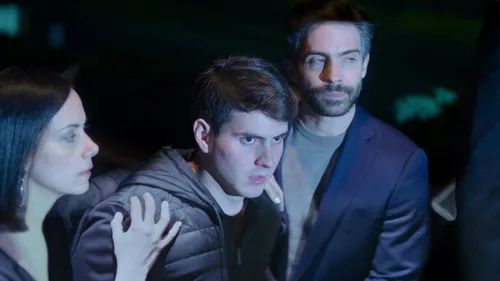
Season 2 · Episode 2
Rebranding
C1MexicanFast dialogueFast: quicker, harder to follow· 43 min on Netflix
 Mexicanon Netflix
Pablo turns himself in to the authorities. Martin's book research puts him in danger. Jimena involves Monarca in Fashion Week as part of rebranding.
27 words and expressions12 free to read and keep
Keep one and it comes back tomorrow, then 3 days, then a week, until you know it.
Worth remembering from this episode
Ordered by what we think matters most.
acciones
shares, stock (in a company)noun (f, pl)Mi tío vendió todas sus acciones antes de que cayera la bolsa.My uncle sold all his shares before the stock market fell.agave
agave (the plant used to make tequila)noun (m)El agave tarda varios años en madurar antes de poderse cosechar.Agave takes several years to mature before it can be harvested.replantar
to replantverbTardaron dos años en replantar los campos después del incendio.It took them two years to replant the fields after the fire.robar cámara
to steal the spotlight, to upstage someoneexpressioncolloquialLiterally 'to steal the camera'. A fixed expression meaning to draw attention away from others, often used critically to suggest someone is being self-promoting or opportunistic.
En cada reunión familiar, mi primo siempre encuentra la manera de robar cámara.At every family gathering, my cousin always finds a way to steal the spotlight.aprehensión
arrest warrant, apprehensionnoun (f)El juez firmó la orden de aprehensión contra el sospechoso.The judge signed the arrest warrant against the suspect.ministerio público
public prosecutor's office, district attorney's officenoun phrase (m)El ministerio público presentó las pruebas ante el juez.The public prosecutor's office presented the evidence before the judge.cargos
charges (legal)noun (m, pl)Le leyeron los cargos en la sala del tribunal.The charges were read to him in the courtroom.legado
legacy, heritagenoun (m)El legado de su abuelo sigue vivo en la empresa familiar.His grandfather's legacy lives on in the family business.secuestrar
to kidnap, to abductverbLa policía liberó al empresario que habían secuestrado la semana pasada.Police freed the businessman who had been kidnapped last week.
vulgar3 more entries, marked strong language because the episode uses them.Show themHide them
carajo
damn it, hell (strong exclamation of frustration)expressionvulgarA general-purpose strong expletive in Mexican Spanish, used to express anger, frustration, or emphasis. Socially inappropriate in formal settings. Very common in heated arguments.
¡Carajo, ya me equivoqué otra vez con la contraseña!Damn it, I got the password wrong again!chingaderas
nonsense, bullshit, dirty tricksexpressionvulgarDerived from the highly versatile Mexican expletive 'chingar'. In context it means underhanded schemes or messing around. Very strong and coarse; restricted to informal speech among people who know each other well.
No me vengas con chingaderas, sabes perfectamente lo que pasó.Don't come at me with that crap, you know perfectly well what happened.te va a cargar la chingada
you're screwed, you're going to get itexpressionvulgarA threatening expression meaning serious consequences are coming. Very coarse and confrontational; used to warn or threaten someone aggressively.
Si no pagas lo que debes, te va a cargar la chingada.If you don't pay what you owe, you're going to get it bad.
12 worth keeping from this episode. Free to read and keep.
An account is all it takes to keep them.
What Pro opens
- 9 more words and 6 more expressions here, and every entry in every other pack.
- Examples spoken in the show’s own dialect, not a browser voice.
Get Pro ›$59 $29.50 a year, or $8 $4 a month in USD. Early bird, 50% off for life. Cancel anytime.