‹ La Reina del Sur: all episodes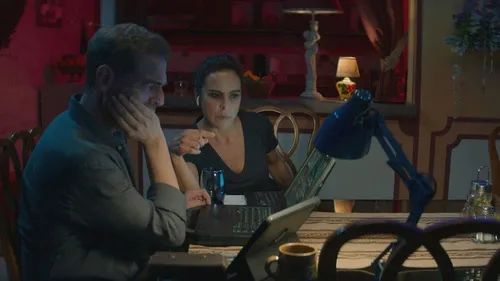
Season 3 · Episode 7
Disappeared
C1Latin American42 min on Netflix
on NetflixSofía races against the clock to save Mateo's life. Epifanio learns someone is having him followed. Teresa finds Sonia and offers to help find Marina.
29 words and expressions11 free to read and keep
Keep one and it comes back tomorrow, then 3 days, then a week, until you know it.
Worth remembering from this episode
Ordered by what we think matters most.
pelada
girl / young womanexpressioncolloquialCommon in Colombian and Bolivian Spanish. Used by adults addressing or referring to a younger woman, often with a slightly condescending or casual tone depending on context. Not inherently offensive but can feel dismissive.
Esa pelada siempre llega tarde a todos lados.That girl always shows up late everywhere.reelección
reelectionnoun (feminine)El gobernador anunció que buscaría la reelección el próximo año.The governor announced he would seek reelection next year.desaparecer
to disappear / to go missingverbLa joven desapareció hace seis meses y nadie sabe dónde está.The young woman went missing six months ago and nobody knows where she is.secuestrado
kidnapped person / kidnappednoun/adjectiveEl secuestrado fue liberado después de tres días.The kidnapping victim was freed after three days.liberar
to free / to release / to liberateverbLograron liberar a los rehenes sin disparar un solo tiro.They managed to free the hostages without firing a single shot.mercancía
merchandise / goods (often used as a euphemism for drugs in criminal contexts)noun (feminine)Dijeron que la mercancía llegaría en la madrugada.They said the merchandise would arrive in the early morning hours.tomba
police / copsexpressioncolloquialColombian street slang for the police, used mostly in informal or criminal contexts. Conveys urgency or alarm when said quickly.
Todos corrieron cuando alguien gritó que venía la tomba.Everyone ran when someone shouted that the cops were coming.intervenir
to tap (a phone) / to intervene / to seizeverbLas autoridades decidieron intervenir los teléfonos de los sospechosos.The authorities decided to tap the suspects' phones.mayoría
majoritynoun (feminine)Sin la mayoría en el congreso, la propuesta no tiene chance de pasar.Without the majority in congress, the proposal has no chance of passing.
vulgar2 more entries, marked strong language because the episode uses them.Show themHide them
merca
drugs / illegal merchandiseexpressionvulgarStreet-level slang for illegal drugs, especially cocaine. Shortened from mercancía. Heard in criminal contexts across several Latin American countries.
La policía encontró la merca escondida debajo del asiento.The police found the drugs hidden under the seat.gonorrea
bastard / piece of trash (used as an insult)expressionvulgarLiterally the disease gonorrhea, but in Colombian slang it is one of the strongest insults, equivalent to a severe obscenity in English. Used with intense contempt. Not used in other regions with this meaning.
Ese gonorrea me robó la billetera y salió corriendo.That bastard stole my wallet and ran off.
11 worth keeping from this episode. Free to read and keep.
An account is all it takes to keep them.
What Pro opens
- 10 more words and 8 more expressions here, and every entry in every other pack.
- Examples spoken in the show’s own dialect, not a browser voice.
Get Pro ›$59 $29.50 a year, or $8 $4 a month in USD. Early bird, 50% off for life. Cancel anytime.