‹ La Reina del Sur: all episodes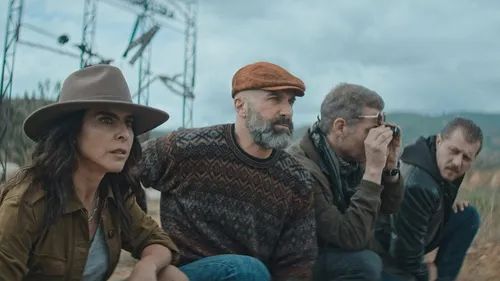
Season 3 · Episode 5
Welcome
C1Latin American42 min on Netflix
on NetflixA terrified Paloma calls Teresa. In Bolivia, Jonathan finds the location shown in the Black Rider photo, where he spots two men and follows them.
29 words and expressions11 free to read and keep
Keep one and it comes back tomorrow, then 3 days, then a week, until you know it.
Worth remembering from this episode
Ordered by what we think matters most.
güey
dude / man / idiot (depending on tone)expressioncolloquialAlso spelled 'wey'. Ubiquitous in Mexican informal speech. Between friends it is a neutral or affectionate term of address. In a confrontational tone it becomes insulting. One of the most frequent filler/address words in Mexican casual conversation.
Oye, güey, ¿vas a la fiesta de cumpleaños esta noche o no?Hey, dude, are you going to the birthday party tonight or not?misión
mission / assignmentnoun (f)El equipo recibió una misión peligrosa que debían completar en 24 horas.The team received a dangerous mission they had to complete within 24 hours.traidor
traitor / treacherousnoun/adjectiveEl soldado fue declarado traidor por revelar información secreta al enemigo.The soldier was declared a traitor for revealing secret information to the enemy.prueba
evidence / proof / testnoun (f)Sin pruebas sólidas, el juez tuvo que dejar libre al sospechoso.Without solid evidence, the judge had to release the suspect.rastrear
to track / to traceverbLa agencia logró rastrear el paradero del sospechoso usando su teléfono.The agency managed to track the suspect's whereabouts using his phone.guardería
daycare / nurserynoun (f)Ella deja a su hijo en la guardería antes de ir al trabajo cada mañana.She drops her son off at daycare before going to work every morning.informante
informant / informernoun (m/f)La policía dependía de un informante dentro de la organización criminal.The police depended on an informant inside the criminal organization.sentencia
sentence / verdict / death warrantnoun (f)El juez firmó la sentencia después de escuchar a todos los testigos.The judge signed the sentence after hearing all the witnesses.
vulgar3 more entries, marked strong language because the episode uses them.Show themHide them
pinche
damn / freaking / lousy (intensifier before a noun)expressionvulgarMexican Spanish intensifier placed directly before the noun it modifies. Expresses frustration or contempt. Ranges from mildly to strongly vulgar depending on the speaker's tone. Cannot easily be substituted with a neutral adjective without losing the emotional charge.
Se me olvidó la pinche llave del coche y llegué tardísimo.I forgot the damn car key and arrived super late.cabrón
bastard / jerk (strong insult, also used between close friends as 'dude')expressionvulgarOne of the most frequently heard strong expletives in Mexican Spanish. Between close male friends it can lose its sting and function as an intensifier or term of address, but in confrontational contexts it is a serious insult. Context determines whether it is aggressive or merely emphatic.
¡Ese cabrón me quitó el estacionamiento sin ningún remordimiento!That bastard took my parking spot without any remorse!pedo
issue / problem / situation (literally: fart)expressionvulgarIn Mexican slang, 'el pedo' means 'the issue' or 'the problem/deal' (e.g., 'el pedo es conmigo' = 'the problem is with me / I'm the one you deal with'). Also used in expressions like 'a qué pedo' (what's the deal?) and 'estar pedo' (to be drunk). Context determines which meaning applies.
El pedo no es el dinero, sino la falta de comunicación entre los dos.The issue isn't the money, it's the lack of communication between the two of them.
11 worth keeping from this episode. Free to read and keep.
An account is all it takes to keep them.
What Pro opens
- 10 more words and 8 more expressions here, and every entry in every other pack.
- Examples spoken in the show’s own dialect, not a browser voice.
Get Pro ›$59 $29.50 a year, or $8 $4 a month in USD. Early bird, 50% off for life. Cancel anytime.