‹ La Reina del Sur: all episodes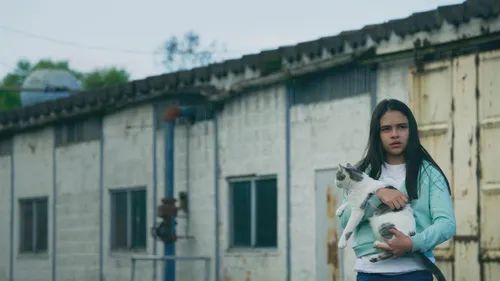
Season 2 · Episode 48
Mamma, soy yo, Sofía
B2Latin American42 min on Netflix
on NetflixSofia does everything she can to try to save Lupo. A devastated Teresa hits the streets with her friends to look for her daughter.
29 words and expressions12 free to read and keep
Keep one and it comes back tomorrow, then 3 days, then a week, until you know it.
Worth remembering from this episode
Ordered by what we think matters most.
bala
bulletnoun (f)El médico dijo que la bala estaba muy cerca del corazón.The doctor said the bullet was very close to the heart.mija
my daughter, sweetie, honey (term of endearment)expressioncolloquialContraction of 'mi hija'. Used by older speakers to younger women, or between close friends regardless of relation. Conveys warmth and familiarity. 'Mijita' is the diminutive form, adding extra affection. 'Mijo' is the masculine equivalent.
Mija, come algo antes de salir, por favor.Sweetie, eat something before you leave, please.herida
wound, injurynoun (f)Lavaron la herida con agua limpia antes de vendarla.They cleaned the wound with fresh water before bandaging it.güey
dude, man, guy (very common filler/address term)expressioncolloquialAlso spelled 'wey'. The defining informal address term in Mexican Spanish, used constantly between peers regardless of gender. Can be neutral, friendly, or mildly reproachful depending on tone. Not typically used with strangers or in formal settings.
Oye, güey, ¿ya viste el partido de anoche?Hey, dude, did you see last night's game?rescatar
to rescueverbLos bomberos lograron rescatar a las personas atrapadas en el edificio.The firefighters managed to rescue the people trapped in the building.antibiótico
antibioticnoun (m)El doctor le recetó antibióticos para la infección.The doctor prescribed antibiotics for the infection.declarar
to testify, to make a statement (to authorities)verbEl testigo fue al juzgado a declarar lo que había visto.The witness went to court to testify about what he had seen.secuestrar
to kidnapverbSecuestraron al empresario y pidieron un millón de rescate.They kidnapped the businessman and demanded a million in ransom.elecciones
electionsnoun (f, plural)Las elecciones presidenciales son el próximo mes.The presidential elections are next month.ubicación
location, whereaboutsnoun (f)Mandame tu ubicación por mensaje para saber dónde estás.Send me your location by text so I know where you are.
vulgar2 more entries, marked strong language because the episode uses them.Show themHide them
cabrón
bastard, jerk (strong insult, also used between close friends as 'dude')expressionvulgarOne of the most versatile vulgar words in Mexican Spanish. Between strangers or enemies it is a serious insult; between close male friends it can be affectionate or neutral, similar to 'man' or 'dude'. Context and tone determine whether it is aggressive or casual.
Ese cabrón me debe dinero desde hace meses y no aparece.That bastard has owed me money for months and he's nowhere to be found.chingados
the hell, damn (intensifier expressing anger or frustration)expressionvulgarDerived from 'chingar'. Used as an intensifier in exclamations and questions to express strong frustration or urgency. '¿Dónde chingados estás?' is a natural way to say 'Where the hell are you?' in Mexican Spanish. Very common in heated speech.
¿Dónde chingados dejé las llaves?Where the hell did I leave the keys?
12 worth keeping from this episode. Free to read and keep.
An account is all it takes to keep them.
What Pro opens
- 9 more words and 8 more expressions here, and every entry in every other pack.
- Examples spoken in the show’s own dialect, not a browser voice.
Get Pro ›$59 $29.50 a year, or $8 $4 a month in USD. Early bird, 50% off for life. Cancel anytime.