‹ La Reina del Sur: all episodes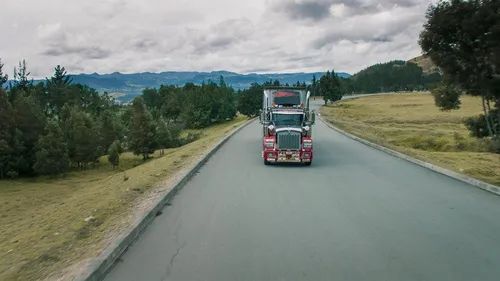
Season 2 · Episode 30
Te espero siso pernas
C1Latin American42 min on Netflix
on NetflixTeresa and her friends set a trap for Siso Pernas and his cousins while Oleg leads a team to steal drugs from one of Zurdo's trucks.
28 words and expressions10 free to read and keep
Keep one and it comes back tomorrow, then 3 days, then a week, until you know it.
Worth remembering from this episode
Ordered by what we think matters most.
güey
dude, man, buddy (also used as a mild insult)expressioncolloquialExtremely common in Mexican Spanish as an address between male friends or acquaintances. Tone shifts with context: affectionate between friends, dismissive or derogatory toward strangers. Spelling varies (wey, buey) but pronunciation is the same.
Oye, güey, ¿ya viste el partido de anoche?Hey, dude, did you see last night's game?merca
merchandise, goods (drug trade slang: product/drugs)noun (f)Se dieron cuenta de que parte de la merca había desaparecido del almacén.They realized that part of the merchandise had disappeared from the warehouse.traición
betrayal, treasonnoun (f)La traición de su mejor amigo lo dejó sin palabras.His best friend's betrayal left him speechless.candado
padlocknoun (m)Pusieron un candado en la puerta para que nadie pudiera entrar.They put a padlock on the door so no one could get in.rebasar
to pass, to overtake (a vehicle on the road)verbEl camionero no pudo rebasar al tráiler porque la carretera era muy angosta.The truck driver couldn't pass the semi-truck because the road was too narrow.municiones
ammunitionnoun (f, pl)Los soldados se quedaron sin municiones antes de que terminara el combate.The soldiers ran out of ammunition before the fighting was over.encerrona
trap, ambush, setupnoun (f)Nos metieron en una encerrona y no pudimos escapar.They set a trap for us and we couldn't escape.
vulgar3 more entries, marked strong language because the episode uses them.Show themHide them
pedo
problem, issue, situation; fart (literal); drunk (adjective)expressionvulgarIn Mexican slang, 'pedo' is used extensively to mean 'problem' or 'issue' ('¿qué pedo?' = 'what's up/what's the problem?'). Context determines which meaning applies. Very high frequency in casual Mexican speech.
¿Qué pedo con tu hermano? Lleva horas sin contestar el teléfono.What's the deal with your brother? He's been not answering for hours.no mames
no way, are you serious, holy crapexpressionvulgarVery high-frequency Mexican exclamation expressing disbelief or frustration. Considered vulgar but heard constantly in casual speech; softened version is 'no manches'.
¡No mames, cabrón, eso no puede ser verdad!No way, man, that can't be true!a huevo
hell yeah, absolutely, you betexpressionvulgarMexican slang expressing strong affirmation or enthusiasm. Considered vulgar in formal contexts but is pervasive in casual male speech. Sometimes softened to 'a güevo.'
¿Vas a ir a la fiesta? — ¡A huevo que voy!Are you going to the party? — Hell yeah I'm going!
10 worth keeping from this episode. Free to read and keep.
An account is all it takes to keep them.
What Pro opens
- 11 more words and 7 more expressions here, and every entry in every other pack.
- Examples spoken in the show’s own dialect, not a browser voice.
Get Pro ›$59 $29.50 a year, or $8 $4 a month in USD. Early bird, 50% off for life. Cancel anytime.