‹ La Reina del Sur: all episodes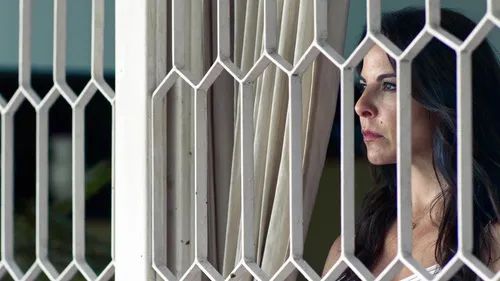
Season 2 · Episode 25
Veinte años no es nada
C1Latin American42 min on Netflix
on NetflixTeresa visits her old house in Culiacán and is struck by her nostalgia, as well as the condition she finds the house in. Flores encounters trouble.
27 words and expressions12 free to read and keep
Keep one and it comes back tomorrow, then 3 days, then a week, until you know it.
Worth remembering from this episode
Ordered by what we think matters most.
güey
dude, man, guy (general address, can be neutral or insulting depending on tone)expressioncolloquialExtremely common in Mexican Spanish. Between friends it is purely affectionate or neutral. Said sharply to a stranger or subordinate, it signals disrespect or dominance. Spelling also appears as 'wey'. Context and tone determine the register entirely.
Oye, güey, ¿a qué hora quedamos para el partido?Hey, dude, what time are we meeting for the game?órale
okay / all right / let's go / wow (versatile exclamation)expressioncolloquialOne of the most common Mexican Spanish interjections. Depending on tone, it can signal agreement, encouragement, surprise, or urgency. Very high frequency throughout this episode.
—¿Salimos a las ocho? —Órale, ahí nos vemos.—'We leave at eight?' —'Okay, see you there.'comisario
police commissioner, high-ranking police officernoun (masculine)El comisario ordenó un operativo en toda la ciudad.The commissioner ordered a citywide operation.arma
weapon, gunnoun (feminine)Encontraron un arma escondida debajo del asiento del carro.They found a weapon hidden under the car seat.candidato
candidate (political)noun (masculine)El candidato prometió bajar los impuestos si ganaba las elecciones.The candidate promised to lower taxes if he won the election.asesinato
murder, assassinationnoun (masculine)La policía investigó el asesinato durante varios meses.The police investigated the murder for several months.chisme
gossip, rumornoun (masculine)No le hagas caso a ese chisme, nadie sabe lo que pasó de verdad.Don't pay attention to that gossip, nobody knows what really happened.mercancía
merchandise, goods (often used as a euphemism for drugs in narco context)noun (feminine)El camión fue detenido porque llevaba mercancía sin declarar.The truck was stopped because it was carrying undeclared goods.candidatura
candidacy, political bidnoun (feminine)Su candidatura quedó en riesgo después del escándalo.His candidacy was at risk after the scandal.rescate
rescue, ransomnoun (masculine)La familia pagó el rescate para que soltaran a su hijo.The family paid the ransom so they would release their son.
vulgar2 more entries, marked strong language because the episode uses them.Show themHide them
cabrón
bastard / jerk / dude (highly context-dependent)expressionvulgarLiterally 'male goat', but functions as either a serious insult ('you bastard') or a term of rough affection between close friends ('my man'). Context, relationship, and tone are everything. Very frequent in this episode across both uses.
Ese cabrón me vendió un carro descompuesto y ya no contesta el teléfono.That bastard sold me a broken car and now he doesn't answer the phone.chingada
damn / hell / f*** (versatile strong expletive)expressionvulgarCore Mexican expletive. Appears in several fixed phrases in this episode. 'Vete a la chingada' means 'go to hell'. 'Pa' pura madre' or 'pura madre' signals something is worthless. High emotional charge in every use.
Se me cayó el café encima de la computadora. ¡Chingada madre!I spilled coffee on my computer. Damn it!
12 worth keeping from this episode. Free to read and keep.
An account is all it takes to keep them.
What Pro opens
- 9 more words and 6 more expressions here, and every entry in every other pack.
- Examples spoken in the show’s own dialect, not a browser voice.
Get Pro ›$59 $29.50 a year, or $8 $4 a month in USD. Early bird, 50% off for life. Cancel anytime.