‹ La Reina del Sur: all episodes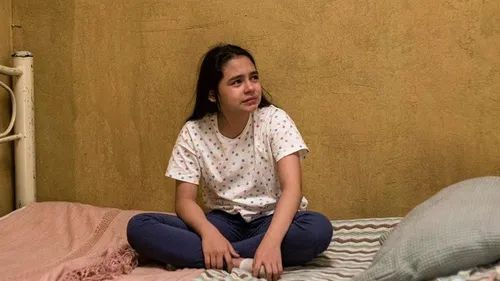
Season 2 · Episode 12
La videollamada
C1Latin American42 min on Netflix
on NetflixSofia gets to know Batman a little better and sends a hidden message to her mother. Oleg tells Teresa he distrusts her friend Francesco/Lupo.
27 words and expressions11 free to read and keep
Keep one and it comes back tomorrow, then 3 days, then a week, until you know it.
Worth remembering from this episode
Ordered by what we think matters most.
vengarse
to take revenge, to get back at someoneverb (reflexive)Juró vengarse de todos los que le hicieron daño cuando era niño.He swore to take revenge on everyone who hurt him as a child.güey
dude, man, guyexpressioncolloquialExtremely common in Mexican Spanish as a general address term between peers. Can be affectionate or neutral depending on tone. Spelled 'wey' in informal writing. Not inherently offensive in casual conversation.
Oye, güey, ¿ya viste el partido de anoche?Hey, dude, did you already see last night's game?secuestrar
to kidnap, to abductverbLos delincuentes intentaron secuestrar al empresario frente a su oficina.The criminals tried to kidnap the businessman in front of his office.traición
betrayal, treacherynoun (f)La traición de su socio de negocios lo dejó sin nada.His business partner's betrayal left him with nothing.violar
to rape; to violateverbLa fiscal presentó cargos contra el acusado de violar a varias mujeres.The prosecutor filed charges against the man accused of raping several women.morra
girl, chick, young womanexpressioncolloquialMexican slang for a young woman or girl. Can be used affectionately or casually. Male equivalent is 'morro'.
La morra que trabaja en la tienda de la esquina siempre es muy amable.The girl who works at the corner store is always very friendly.chamaco
kid, child, young personexpressioncolloquialMexican term for a child or young person. Warm and informal in tone. 'Chamaca' for a girl.
Ese chamaco aprende muy rápido, ya sabe leer y tiene solo cuatro años.That kid learns really fast, he can already read and he's only four.plebita
little girl, kid (affectionate)expressioncolloquialDiminutive of 'plebe', which in northern Mexican slang refers to a person, kid, or young one. 'Plebita' softens the term affectionately. More regional than 'chamaco'.
La plebita ya sabe montar en bici sin rueditas, qué orgullo.The little girl can already ride a bike without training wheels, how proud.frontera
border, frontiernoun (f)Cruzaron la frontera antes del amanecer para evitar los controles.They crossed the border before dawn to avoid checkpoints.refuerzos
reinforcements, backupnoun (m, plural)La patrulla pidió refuerzos porque eran superados en número.The patrol called for reinforcements because they were outnumbered.abusar
to abuse, to take advantage of, to sexually assaultverbDenunció al hombre que había abusado de ella durante años.She reported the man who had abused her for years.
11 worth keeping from this episode. Free to read and keep.
An account is all it takes to keep them.
What Pro opens
- 10 more words and 6 more expressions here, and every entry in every other pack.
- Examples spoken in the show’s own dialect, not a browser voice.
Get Pro ›$59 $29.50 a year, or $8 $4 a month in USD. Early bird, 50% off for life. Cancel anytime.