‹ La Reina del Sur: all episodes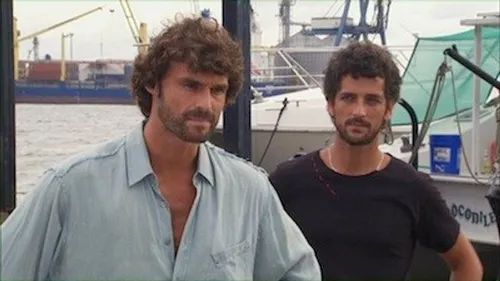
Season 1 · Episode 11
Jugar con la Vida
B2Latin American42 min on Netflix
on NetflixSantiago gambles with his life and accepts a deal that hurts him financially, while Fátima faces the cruelty of her lies in search of a lost son.
28 words and expressions12 free to read and keep
Keep one and it comes back tomorrow, then 3 days, then a week, until you know it.
Worth remembering from this episode
Ordered by what we think matters most.
patera
small flat-bottomed boat used by migrants to cross the Strait of Gibraltarnoun (feminine)Decenas de personas intentaron cruzar el mar en una patera la semana pasada.Dozens of people tried to cross the sea in a patera last week.pasta
money, cashexpressioncolloquialEveryday colloquial word for money. Neutral in tone within informal speech, not rude or particularly edgy, just casual.
No tengo pasta suficiente para pagar el alquiler este mes.I don't have enough money to pay rent this month.ilegal
undocumented immigrant; illegalnoun/adjectiveMuchos ilegales arriesgan su vida buscando una oportunidad mejor.Many undocumented immigrants risk their lives looking for a better opportunity.pollero
people smuggler, coyote (person who charges to transport migrants across borders)expressioncolloquialOriginally Mexican slang, widely understood across Latin American communities. Carries a strongly negative moral connotation. The term comes from 'pollo' (chicken), a slang word for migrants being smuggled.
Ese hombre es un pollero que cobra una fortuna para cruzar gente sin papeles.That man is a people smuggler who charges a fortune to move undocumented people across.estrecho
strait (narrow body of water between two landmasses)noun (masculine)El estrecho que separa los dos países es muy peligroso en invierno.The strait separating the two countries is very dangerous in winter.frontera
bordernoun (feminine)Cruzar la frontera sin documentos puede tener consecuencias muy graves.Crossing the border without documents can have very serious consequences.curro
job, workexpressioncolloquialInformal term for a job or employment. Losing one's 'curro' is a frequent worry expressed by characters throughout the episode.
Lleva tres meses buscando curro y todavía no ha encontrado nada.She's been looking for work for three months and still hasn't found anything.chaleco salvavidas
life jacketnoun phrase (masculine)Todos los pasajeros del barco llevaban chaleco salvavidas.All the boat's passengers were wearing life jackets.traficante
trafficker, smugglernoun (masculine/feminine)La policía detuvo a varios traficantes cerca del puerto.Police arrested several traffickers near the port.zarpar
to set sail, to depart (by boat)verbEl barco va a zarpar al amanecer si el tiempo lo permite.The boat will set sail at dawn if the weather allows it.borda
side of a boat, gunwale; 'caer por la borda' = to fall overboardnoun (feminine)Una ola enorme golpeó el barco y alguien cayó por la borda.A huge wave hit the boat and someone fell overboard.
vulgar1 more entry, marked strong language because the episode uses it.Show itHide it
gilipollas
idiot, asshole, jerkexpressionvulgarStrong insult, very commonly used as an expression of frustration or contempt. Can refer to a person or be used rhetorically (e.g., asking if someone takes you for a fool).
No seas gilipollas y piensa antes de hablar.Don't be an idiot and think before you speak.
12 worth keeping from this episode. Free to read and keep.
An account is all it takes to keep them.
What Pro opens
- 9 more words and 7 more expressions here, and every entry in every other pack.
- Examples spoken in the show’s own dialect, not a browser voice.
Get Pro ›$59 $29.50 a year, or $8 $4 a month in USD. Early bird, 50% off for life. Cancel anytime.