‹ Hilda: all episodes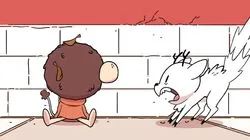
Season 1 · Episode 12
Chapter 12: The Nisse
B1LatAm dubRelaxed dialogueRelaxed: slower, easier to follow· 27 min on Netflix
on NetflixOn the eve of an overnight camping trip, Hilda tries to help a down-and-out house spirit. Frida makes new friends. A mysterious beast prowls Trolberg.
27 words and expressions10 free to read and keep
Keep one and it comes back tomorrow, then 3 days, then a week, until you know it.
Worth remembering from this episode
Ordered by what we think matters most.
campamento
camp / camping tripnoun (m)Este verano voy a un campamento en las montañas con mis primos.This summer I'm going to a camp in the mountains with my cousins.insignia
badge / merit badgenoun (f)Los scouts ganaron una insignia por aprender a hacer nudos.The scouts earned a badge for learning to tie knots.bestia
beast / creaturenoun (f)Los vecinos reportaron haber visto una bestia extraña cerca del lago.The neighbors reported having seen a strange beast near the lake.espíritu
spirit / ghostnoun (m)En muchas culturas, se cree que los espíritus protegen los hogares.In many cultures, it is believed that spirits protect homes.bocadillo
snacknoun (m)Preparé unos bocadillos para el viaje porque el camino es largo.I prepared some snacks for the trip because the road is long.desterrar
to banish / to cast outverbSegún la leyenda, el rey desterró al espíritu del pueblo para siempre.According to the legend, the king banished the spirit from the town forever.marra
mean girl, bully (female)expressioncolloquialRefers to a girl or woman who is deliberately unkind, manipulative, or socially cruel. Carries a strong negative judgment about character, not just behavior. Common in youth speech.
No me junto con ella; siempre fue una marra con las nuevas del salón.I don't hang out with her; she's always been a mean girl to the new kids in class.pesadilla
nightmarenoun (f)Anoche tuve una pesadilla tan intensa que me desperté sudando.Last night I had such an intense nightmare that I woke up sweating.ni lo sueñes
don't even think about it, no wayexpressioncolloquialA firm, emphatic refusal. Stronger than a plain 'no', it dismisses the idea as completely out of the question. Common in speech between people with a close or hierarchical relationship, such as parent-child.
¿Que te preste el coche para irte al concierto solo? Ni lo sueñes.That I lend you the car to go to the concert alone? Don't even think about it.a sus espaldas
behind their back, behind one's backexpressionA fixed expression meaning to do or say something without someone's knowledge, usually something they would object to. Commonly used to call out betrayal or social cruelty. The phrase is emotionally loaded when used in accusations.
Me enteré de que estuvieron hablando mal de mí a mis espaldas todo el tiempo.I found out they had been talking badly about me behind my back the whole time.
10 worth keeping from this episode. Free to read and keep.
An account is all it takes to keep them.
What Pro opens
- 10 more words and 7 more expressions here, and every entry in every other pack.
- Examples spoken in the show’s own dialect, not a browser voice.
Get Pro ›$59 $29.50 a year, or $8 $4 a month in USD. Early bird, 50% off for life. Cancel anytime.