‹ Hilda: all episodes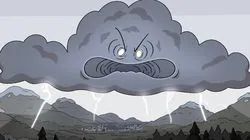
Season 1 · Episode 10
Chapter 10: The Storm
B1LatAm dubRelaxed dialogueRelaxed: slower, easier to follow· 27 min on Netflix
on NetflixWhen her favorite radio weather reporter goes silent amid a raging blizzard, Hilda decides to investigate, with David and the Raven in tow.
24 words and expressions9 free to read and keep
Keep one and it comes back tomorrow, then 3 days, then a week, until you know it.
Worth remembering from this episode
Ordered by what we think matters most.
la tormenta
stormnoun (f)La tormenta duró toda la noche y dejó las calles inundadas.The storm lasted all night and left the streets flooded.el clima
weather; climatenoun (m)El clima en esta región cambia mucho de un día para otro.The weather in this region changes a lot from one day to the next.la nieve / nevar
snow / to snownoun (f) / verbNunca había visto nevar tan fuerte en la ciudad.I had never seen it snow so hard in the city.empeorar
to get worse, to worsenverbLa situación empeoró después de que cortaron la electricidad.The situation got worse after they cut the electricity.¿qué rayos?
what the heck? / what on earth?expressioncolloquialA mild intensifier used to express surprise, confusion, or mild irritation. 'Rayos' softens what might otherwise be a stronger exclamation, making it acceptable in mixed or family company. Common across all ages in everyday spoken Latin American Spanish.
¿Qué rayos está haciendo tu hermano en el techo?What on earth is your brother doing on the roof?¡oye!
hey! / listen up!expressioncolloquialAn attention-grabbing interjection used to interrupt, address someone sharply, or call a group to order. Can signal excitement, frustration, or urgency depending on intonation. Extremely common in spoken Latin American Spanish across all age groups and social settings.
¡Oye, no te vayas todavía, necesito decirte algo importante!Hey, don't leave yet, I need to tell you something important!la predicción
forecast, predictionnoun (f)Las predicciones del tiempo para el fin de semana no son muy buenas.The weather forecasts for the weekend are not very good.disiparse
to dissipate, to clear upverb (reflexive)Las nubes se disiparon y por fin salió el sol.The clouds dissipated and the sun finally came out.el estruendo
thunder; loud crash, roarnoun (m)Un estruendo enorme despertó a todos los vecinos del barrio.A huge roar woke up all the neighbors in the area.
9 worth keeping from this episode. Free to read and keep.
An account is all it takes to keep them.
What Pro opens
- 10 more words and 5 more expressions here, and every entry in every other pack.
- Examples spoken in the show’s own dialect, not a browser voice.
Get Pro ›$59 $29.50 a year, or $8 $4 a month in USD. Early bird, 50% off for life. Cancel anytime.