‹ Envious: all episodes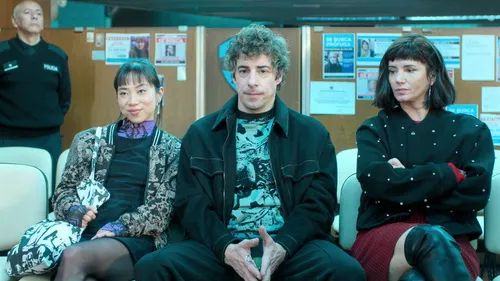
Season 2 · Episode 9
A World of Coincidence
C1ArgentineFast dialogueFast: quicker, harder to follow on Netflix
 Argentineon Netflix
A conversation with Daniel leaves Vicky reeling as the consequences of her actions set in. Mei confronts Matías about his feelings for Vicky.
28 words and expressions13 free to read and keep
Keep one and it comes back tomorrow, then 3 days, then a week, until you know it.
Worth remembering from this episode
Ordered by what we think matters most.
dejar
to leave (a person/relationship); to break up withverbDespués de tres años juntos, ella decidió dejarlo.After three years together, she decided to break up with him.enamorado
in love; someone who is in loveadjective/nounDesde que la conoció, quedó completamente enamorado.From the moment he met her, he was completely in love.confitería
café-patisserie; a café that also sells pastries and sweetsnoun (feminine)Los domingos a la mañana siempre vamos a la confitería del barrio.On Sunday mornings we always go to the neighbourhood café.dar vueltas
to beat around the bush; to go round and round without getting to the pointexpressioncolloquialVery common in everyday Argentine speech. Can describe circling a topic in conversation or delaying a decision in life. Used as both a criticism and a self-description.
Basta de dar vueltas, decime lo que pensás de una vez.Stop beating around the bush, just tell me what you think.hacerse cargo
to take charge; to take responsibility; to deal with somethingexpressioncolloquialUsed in both practical contexts ('to take care of something') and emotional ones ('to own your actions'). Very natural in Argentine everyday speech. Often heard as a demand in arguments.
Si vas a tener un perro, tenés que hacerte cargo de todos los gastos.If you're going to have a dog, you have to take responsibility for all the costs.torneo
tournamentnoun (masculine)El club organiza un torneo de tenis todos los veranos.The club organizes a tennis tournament every summer.antecedentes
criminal record; prior recordnoun (masculine, plural)No le dieron el trabajo porque tenía antecedentes.They didn't give him the job because he had a criminal record.alzado
in heat (of an animal); sexually aroused and restlessadjectiveEl veterinario recomendó castrar al perro porque estaba muy alzado.The vet recommended neutering the dog because he was very worked up.quilombo
mess; chaos; complicated situationnoun (masculine)La mudanza se convirtió en un quilombo total porque llovió todo el día.The move turned into a total mess because it rained all day.mandar
to go for it; to say it; to do it (imperative: 'let it rip', 'go ahead')expressioncolloquialIn its base sense 'mandar' means to send or to command, but as an imperative in informal conversation it urges someone to stop hesitating and just do or say what they have to. Typically heard as 'mandale' or 'mandá'.
¿Tenés algo para decirme? Mandale, no te quedés callado.Do you have something to tell me? Go for it, don't stay quiet.anestesia
anaesthesia; used figuratively to mean softening or cushioning bad newsnoun (feminine)Me lo dijo sin anestesia y me quedé sin palabras.He told me straight out and I was left speechless.
vulgar2 more entries, marked strong language because the episode uses them.Show themHide them
garca
cheat; backstabber; someone who acts in bad faithexpressionvulgarA strong insult in Argentine Spanish. Derived from lunfardo. Describes someone who deceives or takes advantage of others, especially in a relationship or deal. Somewhat less harsh than its literal etymological origin but still considered rude.
No le prestes plata a ese garca, nunca te la va a devolver.Don't lend money to that backstabber, he'll never pay you back.orto
backside (buttocks); used figuratively to express feeling terribleexpressionvulgarLunfardo origin. 'Me siento como un orto' is a set phrase meaning 'I feel awful / terrible'. Also used literally. Common across all ages in informal Argentine speech despite its vulgarity.
Después de no dormir nada, me siento como un orto.After not sleeping at all, I feel terrible.
13 worth keeping from this episode. Free to read and keep.
An account is all it takes to keep them.
What Pro opens
- 9 more words and 6 more expressions here, and every entry in every other pack.
- Examples spoken in the show’s own dialect, not a browser voice.
Get Pro ›$59 $29.50 a year, or $8 $4 a month in USD. Early bird, 50% off for life. Cancel anytime.