‹ Envious: all episodes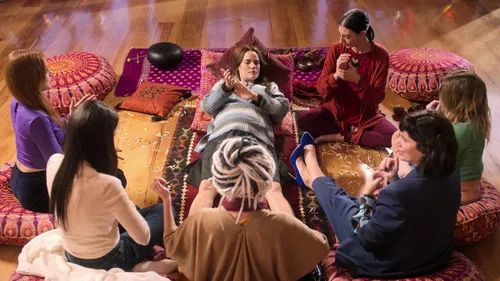
Season 2 · Episode 10
Maternity Graduate
C1ArgentineFast dialogueFast: quicker, harder to follow on Netflix
 Argentineon Netflix
Matías attempts to be honest with Mei, while Vicky, Caro and friends have a curious meeting with a doula. The stress of the day catches up to Caro.
28 words and expressions11 free to read and keep
Keep one and it comes back tomorrow, then 3 days, then a week, until you know it.
Worth remembering from this episode
Ordered by what we think matters most.
rotura de bolsa
water breaking (amniotic sac rupture)noun phrase (f)La partera le explicó que la rotura de bolsa es una señal de que el parto está cerca.The midwife explained that the water breaking is a sign that labor is near.doula
doula (birth support companion)noun (f)Contrataron una doula para que las acompañara durante el trabajo de parto.They hired a doula to accompany them during labor.gorda
girlfriend, dear (affectionate address between close female friends)expressioncolloquialWhen used between close female friends, 'gorda' is a warm, affectionate term of address with no reference to body size. Its tone is entirely determined by relationship and context: between strangers or in a critical tone, it can be offensive.
Gorda, no sabés lo que me pasó hoy, te tengo que contar todo.Girl, you won't believe what happened to me today, I have to tell you everything.prolijo
neat, tidy, done properlyadjectiveQuería terminar el proyecto de manera prolija antes de entregarlo.She wanted to finish the project properly before handing it in.ilusionarse
to get one's hopes up, to build up expectationsverb (reflexive)No te ilusiones tanto con ese trabajo antes de tener la respuesta.Don't get your hopes up too much about that job before you get an answer.quilombo
mess, chaos, troubleexpressioncolloquialExtremely common in everyday Argentine speech. Can refer to a chaotic situation, a noisy disturbance, or an object/person causing disorder. Tone ranges from affectionate exasperation to genuine frustration depending on context.
Llegué tarde y había un quilombo enorme en la oficina.I arrived late and there was a huge mess at the office.mala onda
bad vibe, negative energy, unkind behaviorexpressioncolloquialUsed to describe a person, situation, or comment that feels hostile, discouraging, or unpleasant. The opposite is 'buena onda'. Very common in everyday speech across age groups.
No le digas eso, tiene muy mala onda decírselo justo ahora.Don't say that to her, it's really bad form to say it right now.partera
midwifenoun (f)La partera llegó a tiempo para asistir el nacimiento en casa.The midwife arrived in time to assist with the home birth.vibra
vibe, energynoun (f)Ese lugar tiene una vibra muy tranquila, me relaja estar ahí.That place has a very calm vibe, it relaxes me to be there.bánquenme
bear with me, hang on, put up with meexpressioncolloquialFrom the verb 'bancar' (to support, to put up with, to wait). The imperative plural form is very typical of Argentine informal speech. 'Bancame' (singular) and 'bánquenme' (plural) are heard constantly in casual conversation.
Bánquenme un segundo, que ya termino y los atiendo.Bear with me a second, I'll be done soon and then I'll help you.parto respetado
respectful birth (birth where the mother's wishes are followed)noun phrase (m)Ella investigó mucho sobre el parto respetado para poder tomar una decisión informada.She researched a lot about respectful birth in order to make an informed decision.
11 worth keeping from this episode. Free to read and keep.
An account is all it takes to keep them.
What Pro opens
- 10 more words and 7 more expressions here, and every entry in every other pack.
- Examples spoken in the show’s own dialect, not a browser voice.
Get Pro ›$59 $29.50 a year, or $8 $4 a month in USD. Early bird, 50% off for life. Cancel anytime.