‹ Envious: all episodes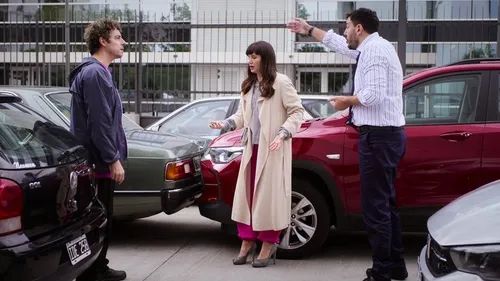
Season 2 · Episode 1
Head-On Collision
C1ArgentineFast dialogueFast: quicker, harder to follow on Netflix
 Argentineon Netflix
Vicky's dreams are close to coming true, but a panic attack causes her to reflect on what — and who — she really wants.
29 words and expressions10 free to read and keep
Keep one and it comes back tomorrow, then 3 days, then a week, until you know it.
Worth remembering from this episode
Ordered by what we think matters most.
compromiso
engagement (to be married); also: commitment, obligationnoun (m)Festejaron el compromiso con una cena íntima en lo de los suegros.They celebrated the engagement with an intimate dinner at the in-laws' place.frenar
to brake / to stop / to slow downverbEl colectivo frenó de golpe y todos se cayeron.The bus braked suddenly and everyone fell.chocho/a
thrilled / over the moon / very happyexpressioncolloquialVery common in everyday Argentine speech to express genuine delight or satisfaction. Can be used sincerely or with light irony depending on tone.
Cuando le dieron el trabajo, estaba chocha, no podía creerlo.When she got the job, she was over the moon, she couldn't believe it.joder
to mess around / to bother / to pesterexpressioncolloquialIn Argentine usage this is considerably milder than in some other varieties. Often means to annoy, tease, or waste time. Tone can be irritated or playful.
Dejá de joder y decime en serio qué querés hacer esta noche.Stop messing around and tell me seriously what you want to do tonight.malestar
unease / discomfort / malaisenoun (m)Sentía un malestar que no podía explicar bien, como algo que le pesaba en el pecho.She felt an unease she couldn't quite explain, like something weighing on her chest.arrepentirse
to regret / to have second thoughtsverbSe arrepintió de no haber dicho nada cuando tuvo la oportunidad.He regretted not having said anything when he had the chance.pegarse un palo
to crash / to have a serious accident or collisionexpressioncolloquialPalo literally means 'stick' or 'hit', and the expression conveys a violent impact. Used for car crashes or other physical accidents.
Por andar mirando el celular manejando, casi se pega un palo contra el camión.Because he was looking at his phone while driving, he almost crashed into the truck.incertidumbre
uncertaintynoun (f)La incertidumbre económica les impedía hacer planes a largo plazo.Economic uncertainty prevented them from making long-term plans.estabilidad
stabilitynoun (f)Después de años inestables, por fin encontró estabilidad laboral y afectiva.After years of instability, she finally found professional and emotional stability.rengueando
limpingverb form (gerund of renguear)El perro llegó rengueando después de pasar el día en el campo.The dog arrived limping after spending the day in the countryside.
10 worth keeping from this episode. Free to read and keep.
An account is all it takes to keep them.
What Pro opens
- 11 more words and 8 more expressions here, and every entry in every other pack.
- Examples spoken in the show’s own dialect, not a browser voice.
Get Pro ›$59 $29.50 a year, or $8 $4 a month in USD. Early bird, 50% off for life. Cancel anytime.