‹ Envious: all episodes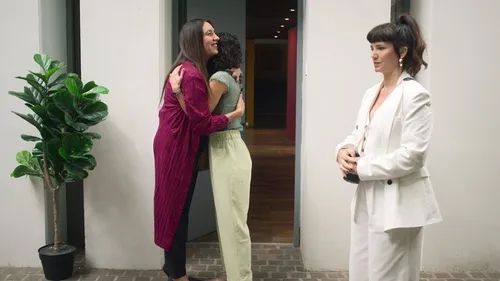
Season 1 · Episode 7
Everyone Gets Married Except You
C1ArgentineFast dialogueFast: quicker, harder to follow on Netflix
 Argentineon Netflix
Vicky's friends host an intervention regarding her envy and sabotage of others. Matías confronts his father. Daniel reaches out to Vicky.
28 words and expressions11 free to read and keep
Keep one and it comes back tomorrow, then 3 days, then a week, until you know it.
Worth remembering from this episode
Ordered by what we think matters most.
gorda
girl, woman (affectionate or teasing address)expressioncolloquialUsed between close female friends as a term of endearment or mild exasperation. Carries no literal weight reference; tone depends entirely on context.
¡Gorda, te estuve esperando media hora en la puerta!Girl, I was waiting for you at the door for half an hour!casamiento
wedding, marriagenoun (m)El casamiento se va a celebrar en una estancia a las afueras de la ciudad.The wedding is going to be held at a ranch on the outskirts of the city.mina
woman, girlexpressioncolloquialNeutral-to-informal term for a woman. Not inherently derogatory; tone depends on context and speaker relationship.
Es una mina con mucho carácter y muy buena en su trabajo.She's a woman with a lot of character and very good at her job.intervención
intervention (confrontational meeting among friends or family)noun (f)Sus hermanos organizaron una intervención para hablar con él sobre el alcohol.His siblings organized an intervention to talk to him about alcohol.virtud
virtue, positive qualitynoun (f)La paciencia es una virtud que se aprende con el tiempo.Patience is a virtue that is learned over time.vínculo
bond, relationship, connectionnoun (m)El vínculo entre ellas se fue construyendo a lo largo de muchos años.The bond between them was built over many years.envidia
envy, jealousynoun (f)La envidia le impedía alegrarse por el éxito de su compañera.Envy stopped her from being happy about her colleague's success.consulta
therapy session, appointment (with a professional)noun (f)Tengo consulta con la psicóloga todos los martes a las seis.I have a therapy session with my psychologist every Tuesday at six.adicto
addict, addictednoun/adjective (m)Reconocer que sos adicto es el primer paso para pedir ayuda.Recognizing that you are an addict is the first step toward asking for help.
vulgar2 more entries, marked strong language because the episode uses them.Show themHide them
boluda
idiot, dummy (mild insult or affectionate between friends)expressionvulgarExtremely common in informal Argentine speech. Between close friends it often reads as affectionate or surprised rather than genuinely insulting. Nonetheless, inappropriate in formal or unfamiliar contexts.
¡Boluda, casi me olvidé de avisarte que cambiamos el horario!Oh my god, I almost forgot to tell you we changed the time!garca
scoundrel, untrustworthy person, creepexpressionvulgarStrong informal insult implying someone is dishonest, exploitative, or sleazy. Common in everyday speech despite its vulgar origin.
No le prestes plata a ese tipo, es un garca de primera.Don't lend money to that guy, he's a total scoundrel.
11 worth keeping from this episode. Free to read and keep.
An account is all it takes to keep them.
What Pro opens
- 10 more words and 7 more expressions here, and every entry in every other pack.
- Examples spoken in the show’s own dialect, not a browser voice.
Get Pro ›$59 $29.50 a year, or $8 $4 a month in USD. Early bird, 50% off for life. Cancel anytime.