‹ Envious: all episodes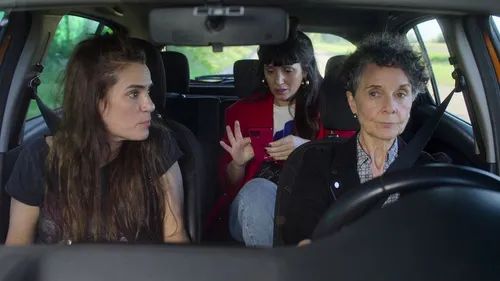
Season 1 · Episode 5
The Game of Life
C1ArgentineFast dialogueFast: quicker, harder to follow on Netflix
 Argentineon Netflix
A trip with Vicky, Caro, and their mom, Tere, results in shocking news that changes everything. Débora begins planning her wedding.
28 words and expressions13 free to read and keep
Keep one and it comes back tomorrow, then 3 days, then a week, until you know it.
Worth remembering from this episode
Ordered by what we think matters most.
casamiento
wedding, marriagenoun (masculine)El casamiento se celebró en una estancia en las afueras de la ciudad.The wedding was held at a ranch on the outskirts of the city.señal
signal, mobile/cell receptionnoun (feminine)En la montaña no hay señal y no podés llamar a nadie.In the mountains there's no reception and you can't call anyone.dale
okay, sure, go for it, come onexpressioncolloquialAn extremely frequent filler and agreement marker in Argentine speech. It signals agreement, encouragement, or acknowledgment and can also be used to close a conversation or move things along.
¿Nos juntamos el sábado? — Dale, perfecto.Shall we meet up on Saturday? — Sure, perfect.cabaña
cabin, lodgenoun (feminine)Alquilamos una cabaña en la sierra para el fin de semana.We rented a cabin in the hills for the weekend.embarazada
pregnantadjective/nounSu compañera de trabajo está embarazada de cinco meses.Her coworker is five months pregnant.che
hey, mate, buddy (attention-getter or filler)expressioncolloquialQuintessential Argentine attention-getter used to address someone or soften a statement. It carries no intrinsic meaning beyond flagging that you're talking to someone; tone gives it warmth, urgency, or mild reproach.
Che, ¿sabés dónde dejé las llaves?Hey, do you know where I left the keys?qué onda
what's up, what's going on, what's the dealexpressioncolloquialMultipurpose expression used to greet someone, check in on a situation, or express mild surprise or concern about something. Extremely common in everyday Argentine conversation across age groups.
¿Qué onda con ese tipo? Cada vez que lo llamo no contesta.What's the deal with that guy? Every time I call him he doesn't answer.proveeduría
small general store, supply shopnoun (feminine)Pasamos por la proveeduría del pueblo a comprar agua y galletitas.We stopped by the village general store to buy water and biscuits.intoxicación
food poisoning, toxic reaction (not intoxication by alcohol)noun (feminine)Todos terminaron en la guardia por una intoxicación con mariscos.Everyone ended up in the emergency room because of shellfish poisoning.velero
sailboatnoun (masculine)Pasaron el fin de semana navegando en un velero por el delta.They spent the weekend sailing on a sailboat through the delta.ecografía
ultrasound scannoun (feminine)El médico le pidió una ecografía para confirmar las semanas de embarazo.The doctor ordered an ultrasound scan to confirm the weeks of pregnancy.
vulgar2 more entries, marked strong language because the episode uses them.Show themHide them
boludo
idiot, fool (also used affectionately between close friends)expressionvulgarOne of the most emblematic Argentine expressions. Depending on tone and relationship, it ranges from a genuine insult to the warmest form of address between friends. Context and intonation are everything.
Che, boludo, ¿por qué no me avisaste que había cambio de horario?Hey, man, why didn't you let me know the time changed?salir para el ojete
to go completely wrong, to turn into a disasterexpressionvulgar'Ojete' is a vulgar anatomical term, but this fixed expression is simply the Argentine equivalent of 'to go to hell' or 'go completely pear-shaped'. Widely understood even in casual mixed company.
El evento estaba bien planeado pero salió todo para el ojete por la lluvia.The event was well planned but everything went completely wrong because of the rain.
13 worth keeping from this episode. Free to read and keep.
An account is all it takes to keep them.
What Pro opens
- 9 more words and 6 more expressions here, and every entry in every other pack.
- Examples spoken in the show’s own dialect, not a browser voice.
Get Pro ›$59 $29.50 a year, or $8 $4 a month in USD. Early bird, 50% off for life. Cancel anytime.