‹ Death Inc.: all episodes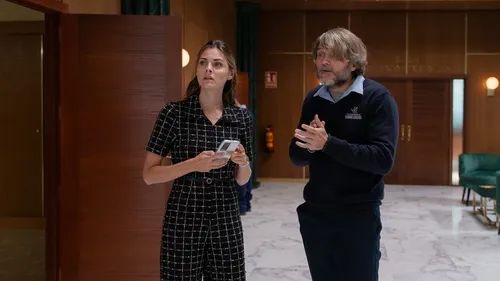
Season 3 · Episode 4
Episode 4
C1Castilian30 min on Netflix
 Castilianon Netflix
Nieves empieza un trabajo que es todo un reto. Dámaso visita a Morales porque está enfermo, aunque el verdadero motivo es otro. Anselmo y Nino llevan un cadáver en el taxi.
26 words and expressions10 free to read and keep
Keep one and it comes back tomorrow, then 3 days, then a week, until you know it.
Worth remembering from this episode
Ordered by what we think matters most.
el divorcio
divorcenoun (m)Después del divorcio, vendieron el piso y cada uno siguió su camino.After the divorce, they sold the flat and each went their own way.el tanatorio
funeral home / morgue facility (where wakes are held)noun (m)La familia se reunió en el tanatorio para despedirse del abuelo.The family gathered at the funeral home to say goodbye to grandfather.dimitir
to resign (from a job)verbEl director anunció que iba a dimitir a finales de mes.The director announced he was going to resign at the end of the month.el velatorio
wake (the vigil held for a deceased person)noun (m)El velatorio duró toda la noche y vinieron muchos amigos.The wake lasted all night and many friends came.el picadero
riding school / equestrian centrenoun (m)Mi prima lleva años dando clases de equitación en ese picadero.My cousin has been giving riding lessons at that equestrian centre for years.el fallecido
the deceased (formal term preferred in professional contexts)noun (m)Los allegados del fallecido recibieron las condolencias en la sala principal.The deceased's loved ones received condolences in the main room.a ver si
I wonder if / let's see if / maybe (used to express a speculative hope or worry)expressioncolloquialA very frequent filler in spoken speech. Despite containing 'a ver' (let's see) and 'si' (if), the combined phrase expresses a speculative guess or mild warning rather than a literal invitation to look. The tone shifts entirely depending on intonation.
A ver si llueve esta tarde y no podemos salir.I wonder if it'll rain this afternoon and we won't be able to go out.el pálpito
gut feeling / hunchnoun (m)Tuve un pálpito de que algo iba a salir mal y cancelé el viaje.I had a gut feeling that something was going to go wrong and cancelled the trip.no mezclar churras con merinas
don't mix up two completely different thingsexpressioncolloquialRefers to two different breeds of sheep, used to mean 'don't confuse separate matters'. The meaning cannot be guessed from 'churras' or 'merinas' alone without cultural knowledge.
El trabajo y la amistad son cosas distintas; no mezcles churras con merinas.Work and friendship are different things; don't mix up the two.me viene fatal
it's a really bad time for me / it really doesn't work for meexpressioncolloquial'Venir fatal' expresses that a situation is highly inconvenient. 'Fatal' here is an intensifier meaning 'terrible', not 'deadly'. The opposite, 'me viene bien', means it suits you fine.
Me viene fatal reunirme esta tarde; tengo una visita al médico.This afternoon is a really bad time for me to meet; I have a doctor's appointment.
10 worth keeping from this episode. Free to read and keep.
An account is all it takes to keep them.
What Pro opens
- 10 more words and 6 more expressions here, and every entry in every other pack.
- Examples spoken in the show’s own dialect, not a browser voice.
Get Pro ›$59 $29.50 a year, or $8 $4 a month in USD. Early bird, 50% off for life. Cancel anytime.