‹ Berlin: all episodes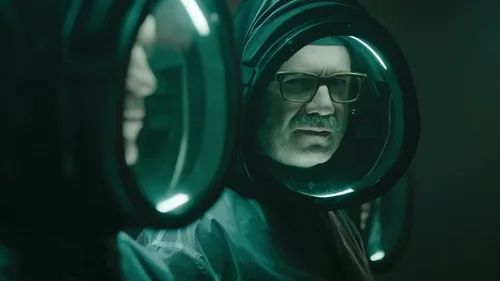
Season 1 · Episode 4
An Aquarium on Your Back
C1Castilian on Netflix
 Castilianon Netflix
The robbery is on and tensions are high as the crew starts to doubt Berlin's leadership. Keila and Bruce must make sure to cover their tracks.
30 words and expressions10 free to read and keep
Keep one and it comes back tomorrow, then 3 days, then a week, until you know it.
Worth remembering from this episode
Ordered by what we think matters most.
la cámara acorazada
vault, strongroomnoun phrase (f)El banco tiene la cámara acorazada en el sótano.The bank has the vault in the basement.el robo
robbery, theftnoun (m)Denunciaron el robo en cuanto abrió la comisaría.They reported the robbery as soon as the police station opened.el bucle
loop (here: a looped video feed used to fool security cameras)noun (m)El sistema entró en un bucle y no respondía a ninguna orden.The system got stuck in a loop and did not respond to any command.el botín
loot, haul, stolen goodsnoun (m)La policía recuperó el botín dos días después del robo.The police recovered the loot two days after the robbery.el emisor de seguridad
security transmitter, alarm sensornoun phrase (m)El técnico revisó todos los emisores de seguridad antes de cerrar la tienda.The technician checked all the security sensors before closing the shop.liarla
to make a mess of things, to cause trouble, to screw upexpressioncolloquialVery common fixed expression. Often intensified as 'liarla parda' for a bigger disaster. Non-compositional: 'liar' alone means to roll or to tie up, but in this phrase it means to cause a problem.
No digas nada todavía, que si hablas ahora la lías seguro.Don't say anything yet, because if you speak now you'll definitely cause trouble.perro amaestrado
trained dog, someone who obeys without questioning (derogatory)expressioncolloquialUsed metaphorically to insult someone who follows orders blindly and lacks independent judgment. Carries strong contempt from the speaker.
No pienso seguir actuando como un perro amaestrado; voy a decirles lo que pienso de verdad.I'm not going to keep acting like a trained dog; I'm going to tell them what I really think.el cabo suelto
loose endnoun phrase (m)La investigación se cerró, pero quedaban varios cabos sueltos.The investigation was closed, but there were several loose ends remaining.de brazos cruzados
standing idle, doing nothing, twiddling one's thumbsexpressioncolloquialFixed expression. The visual image of crossed arms signals passivity or refusal to act. Almost always used in a negative or questioning construction to criticise inaction.
No me puedo quedar de brazos cruzados mientras mis compañeros hacen todo el trabajo.I can't just stand there doing nothing while my colleagues do all the work.engatusar
to sweet-talk, to wheedle, to charm (someone into something)verbEl vendedor intentó engatusarla con promesas que no podía cumplir.The salesman tried to sweet-talk her with promises he could not keep.
10 worth keeping from this episode. Free to read and keep.
An account is all it takes to keep them.
What Pro opens
- 11 more words and 9 more expressions here, and every entry in every other pack.
- Examples spoken in the show’s own dialect, not a browser voice.
Get Pro ›$59 $29.50 a year, or $8 $4 a month in USD. Early bird, 50% off for life. Cancel anytime.