‹ Berlin and the Lady with an Ermine: all episodes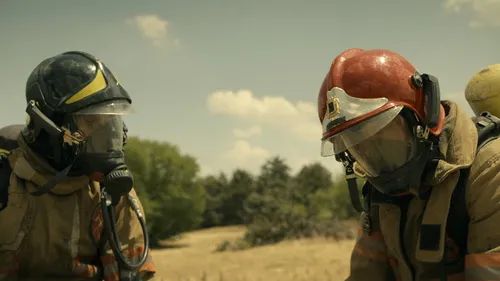
Season 1 · Episode 7
Night of the Double Dodge
C1Castilian on Netflix
 Castilianon Netflix
Armed with new information, Damián attempts to solve the burning issue of the fireball. As Berlin falls deeper for Candela, his past catches up with him.
30 words and expressions11 free to read and keep
Keep one and it comes back tomorrow, then 3 days, then a week, until you know it.
Worth remembering from this episode
Ordered by what we think matters most.
iris
iris (of the eye)noun (m)El sistema de seguridad identifica a los empleados escaneando el iris.The security system identifies employees by scanning the iris.acorazado
armoured, reinforced (e.g. safe, vehicle)adjectiveEl vehículo acorazado resistió el impacto sin sufrir daños.The armoured vehicle withstood the impact without sustaining damage.cámara acorazada
vault, strongroomnoun phrase (f)El banco trasladó las joyas a la cámara acorazada antes del cierre.The bank moved the jewels to the vault before closing.ignífugo
fireproof, flame-resistantadjectiveLos bomberos llevan trajes ignífugos para protegerse de las llamas.Firefighters wear fireproof suits to protect themselves from the flames.traición
betrayal, treacherynoun (f)Revelar ese secreto fue una traición que nunca le perdoné.Revealing that secret was a betrayal I never forgave him for.hala
come on, go on, right then (exclamation of dismissal or encouragement)expressioncolloquialExtremely frequent in everyday speech. Used to wrap up a conversation, send someone off, or express mild surprise. Tone ranges from warm to dismissive depending on context.
Hala, ya está todo listo, nos vamos.Right then, everything's ready, let's go.infidelidad
infidelity, unfaithfulnessnoun (f)La infidelidad destrozó una relación que parecía sólida.The infidelity destroyed a relationship that had seemed solid.me da coraje
it annoys me, it bugs me, it frustrates meexpressioncolloquial'Coraje' in this construction means frustration or annoyance, not courage. It is a very common expression and a classic false-friend trap for English speakers who know 'coraje' as 'courage'.
Me da un coraje enorme cuando llegan tarde sin avisar.It really annoys me when they show up late without warning.empatía
empathynoun (f)Desarrollar empatía hacia los demás mejora las relaciones personales.Developing empathy towards others improves personal relationships.
vulgar2 more entries, marked strong language because the episode uses them.Show themHide them
puñetero
bloody, damn (intensifier)expressionvulgarVery common emphatic intensifier in everyday frustrated or admiring speech. Can express annoyance or emphatic admiration depending on tone. Stronger than 'maldito' but less extreme than heavier expletives.
No encuentro el puñetero mando de la tele por ningún lado.I can't find the bloody TV remote anywhere.qué coño
what the hell, what on earthexpressionvulgarUsed to express exasperation or demand an explanation. Very natural in heated conversation between close friends or in arguments. Equivalent in force to 'qué demonios' but considerably more vulgar.
¿Qué coño haces levantado a estas horas?What the hell are you doing up at this hour?
11 worth keeping from this episode. Free to read and keep.
An account is all it takes to keep them.
What Pro opens
- 11 more words and 8 more expressions here, and every entry in every other pack.
- Examples spoken in the show’s own dialect, not a browser voice.
Get Pro ›$59 $29.50 a year, or $8 $4 a month in USD. Early bird, 50% off for life. Cancel anytime.