‹ Berlin and the Lady with an Ermine: all episodes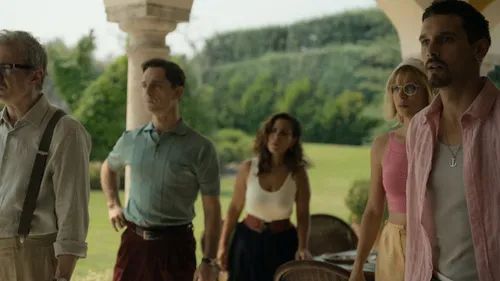
Season 1 · Episode 8
Happiness Belongs to He Who Loves
C1Castilian on Netflix
 Castilianon Netflix
A night out in Peñíscola inspires Berlin to radically change his plans. Will he and the gang manage to pull off the greatest heist in history?
30 words and expressions10 free to read and keep
Keep one and it comes back tomorrow, then 3 days, then a week, until you know it.
Worth remembering from this episode
Ordered by what we think matters most.
robo
theft, robbery, heistnoun (m)El robo del museo tardó meses en planearse con detalle.The museum heist took months of detailed planning.cuadro
paintingnoun (m)Ese cuadro del siglo XVII vale una fortuna en el mercado del arte.That 17th-century painting is worth a fortune on the art market.cámara acorazada
safe, vaultnoun phrase (f)Los billetes estaban guardados en la cámara acorazada del banco.The banknotes were stored in the bank vault.blindado
armoured, reinforcedadjectiveEl coche blindado resistió el impacto sin sufrir daños.The armoured car withstood the impact without sustaining damage.cabo suelto
loose end (an unresolved detail that could unravel a plan)expressioncolloquialFrom nautical language: a loose rope end that could cause problems. Used figuratively in everyday speech to mean an unconsidered detail or risk that could expose or ruin something.
Revisaron el plan tres veces para asegurarse de que no quedaba ningún cabo suelto.They reviewed the plan three times to make sure there were no loose ends.contrabando
smuggling, contrabandnoun (m)Las autoridades interceptaron un cargamento de contrabando en el puerto.The authorities intercepted a smuggled cargo at the port.alijo
cache, stash (of contraband)noun (m)La policía descubrió un alijo de joyas robadas escondido bajo el suelo.The police discovered a cache of stolen jewels hidden under the floor.replica
replica, copynoun (f)Expusieron una réplica de la escultura mientras restauraban el original.They displayed a replica of the sculpture while restoring the original.dar el cambiazo
to make a switch, to swap something for a fake or substitute without the other person noticingexpressioncolloquialFixed phrase. Implies a deliberate, deceptive substitution. The word cambiazo uses the augmentative suffix -azo to suggest a big or bold swap.
En la tienda le dieron el cambiazo y se llevó una bolsa equivocada.In the shop they made the switch and she walked out with the wrong bag.jaque mate
checkmate, a decisive final move that ends someone's ability to resistexpressionBorrowed from chess. Used figuratively in everyday speech to mean a definitive, irresistible move that leaves the other party with no options. Common in informal and journalistic registers.
Con esa prueba en la mano, le dio el jaque mate definitivo en la negociación.With that evidence in hand, she delivered the decisive checkmate in the negotiation.
10 worth keeping from this episode. Free to read and keep.
An account is all it takes to keep them.
What Pro opens
- 11 more words and 9 more expressions here, and every entry in every other pack.
- Examples spoken in the show’s own dialect, not a browser voice.
Get Pro ›$59 $29.50 a year, or $8 $4 a month in USD. Early bird, 50% off for life. Cancel anytime.