‹ Who Killed Sara: all episodes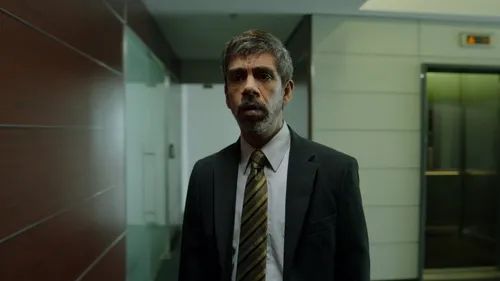
Season 1 · Episode 5
Life Insurance
C1Mexican40 min on Netflix
 Mexicanon Netflix
The burden of having to keep all the Lazcano secrets starts taking a toll on Elroy. Elisa and Álex attend a masquerade party at the casino.
28 words and expressions12 free to read and keep
Keep one and it comes back tomorrow, then 3 days, then a week, until you know it.
Worth remembering from this episode
Ordered by what we think matters most.
güey
dude / man / idiot (depending on tone)expressioncolloquialExtremely common in Mexican Spanish as a filler address term between friends. Tone determines whether it is affectionate, neutral, or insulting. Spelled also as 'wey'. One of the most recognizable markers of Mexican colloquial speech.
Oye güey, ¿a qué hora nos vemos en el partido?Hey dude, what time are we meeting up for the game?contador
accountantnoun (m)El contador revisó todas las facturas del año pasado.The accountant reviewed all the invoices from last year.pruebas
evidence / proof / testsnoun (f, plural)El abogado no tenía pruebas suficientes para defender a su cliente.The lawyer didn't have enough evidence to defend his client.sauna
saunanoun (m/f)Alguien cerró la puerta del sauna desde afuera y subió la temperatura.Someone closed the sauna door from the outside and turned up the temperature.qué onda
what's up / what's going onexpressioncolloquialStandard informal greeting in Mexican Spanish, equivalent to 'what's up'. Also used to ask what is happening in a situation, not just as a hello.
¿Qué onda? Llevas horas sin contestar el teléfono.What's up? You've been ignoring calls for hours.bote
jail / prison (colloquial)noun (m)Estuvo en el bote tres meses antes de que lo soltaran.He was in jail for three months before they let him go.declararse culpable
to plead guilty / to declare oneself guiltyverb phraseEl acusado decidió declararse culpable para evitar un juicio largo.The accused decided to plead guilty to avoid a long trial.atropellar
to run over (with a vehicle)verbUn carro atropelló al ciclista en la esquina.A car ran over the cyclist at the corner.arnés
harnessnoun (m)El instructor revisó que el arnés estuviera bien ajustado antes del salto.The instructor checked that the harness was properly adjusted before the jump.
vulgar3 more entries, marked strong language because the episode uses them.Show themHide them
chingar
to screw over / to bother / to mess with (highly versatile vulgar verb)expressionvulgarOne of the most productive vulgar verbs in Mexican Spanish. Context changes meaning drastically: 'chingar a alguien' means to harm or screw someone over; 'ya te jodiste' and 'chingados' are variants. Appears in multiple forms throughout the episode.
No me vengas a chingar con tus problemas a estas horas de la noche.Don't come bothering me with your problems at this hour of the night.pedo
problem / issue / deal / fart (context-dependent)expressionvulgarIn Mexican Spanish 'pedo' far exceeds its literal meaning. 'No te la hizo de pedo' means 'they didn't give you trouble about it'. 'Qué pedo' means 'what's going on' or 'what the hell'. Extremely versatile and very frequent in informal speech.
¿Cuál es tu pedo? Llevas todo el día de mal humor.What's your problem? You've been in a bad mood all day.putiza
a brutal beating / a thrashingexpressionvulgarDerives from a vulgar root but is commonly understood across registers in Mexico. Refers specifically to a physical beating, not a verbal one.
Le metieron una putiza tan fuerte que tuvo que ir al hospital.They gave him such a brutal beating that he had to go to the hospital.
12 worth keeping from this episode. Free to read and keep.
An account is all it takes to keep them.
What Pro opens
- 10 more words and 6 more expressions here, and every entry in every other pack.
- Examples spoken in the show’s own dialect, not a browser voice.
Get Pro ›$59 $29.50 a year, or $8 $4 a month in USD. Early bird, 50% off for life. Cancel anytime.