‹ The Innocent: all episodes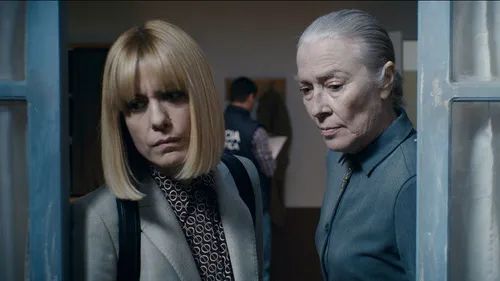
Season 1 · Episode 2
In Dreams
C1Castilian on Netflix
 Castilianon Netflix
While investigating the alleged suicide of a nun at the Catholic orphanage where she grew up, Lorena discovers the nun is not who she'd said she was.
27 words and expressions12 free to read and keep
Keep one and it comes back tomorrow, then 3 days, then a week, until you know it.
Worth remembering from this episode
Ordered by what we think matters most.
el suicidio
suicidenoun (masculine)El médico forense descartó el suicidio tras revisar el cuerpo.The forensic doctor ruled out suicide after examining the body.la identidad
identitynoun (feminine)La policía tardó días en confirmar la identidad del fallecido.The police took days to confirm the identity of the deceased.la prótesis
prosthesis / implantnoun (feminine)Le colocaron una prótesis de cadera tras el accidente.They fitted her with a hip prosthesis after the accident.cuadrar
to add up / to make sense / to fit (used when facts or details are consistent)expressioncolloquialIn investigative or analytical contexts this verb means the pieces of a situation are consistent or logical. When negated, 'no me cuadra', it signals doubt or suspicion that something is off.
Su coartada no me cuadra, porque las horas no coinciden.His alibi doesn't add up, because the times don't match.quedar
to arrange to meet / to have plans with someoneexpressioncolloquialOne of the most frequent uses of 'quedar' in everyday speech, easily missed by learners who only know 'to remain / to be left'. 'He quedado con alguien' means 'I have plans to meet someone', not 'I have remained with someone'.
He quedado con Marta a las ocho para tomar algo.I've arranged to meet Marta at eight for a drink.el forense
forensic pathologist / medical examinernoun (masculine/feminine)El forense determinó la hora de la muerte con gran precisión.The forensic pathologist determined the time of death with great precision.la huella
fingerprint / trace / footprintnoun (feminine)Los técnicos encontraron una huella dactilar en el cristal de la ventana.The technicians found a fingerprint on the window glass.lianta
troublemaker / someone who stirs things up (affectionate or mildly reproachful)expressioncolloquialFrom the verb 'liar' (to get someone involved in something complicated). A 'lianta' causes confusion or drags others into scrapes, but the word often carries a fond or indulgent tone rather than a purely negative one.
Ese chico es un lianta, siempre monta algún follón en clase.That boy is a troublemaker, he always kicks up some fuss in class.la baja
sick leavenoun (feminine)Mi compañero lleva tres semanas de baja por una lesión en la rodilla.My colleague has been on sick leave for three weeks due to a knee injury.la autopsia
autopsy / post-mortemnoun (feminine)La autopsia reveló que la víctima había muerto horas antes de lo que se pensaba.The autopsy revealed that the victim had died hours earlier than thought.la asfixia
asphyxiation / suffocationnoun (feminine)El informe confirmó que la causa de la muerte fue la asfixia.The report confirmed that the cause of death was asphyxiation.
vulgar1 more entry, marked strong language because the episode uses it.Show itHide it
joder
fuck / damn (general exclamation of frustration or emphasis)expressionvulgarExtremely common in everyday speech. Used to vent frustration, express surprise, or add emphasis. The sharpness varies enormously with intonation, it can range from sharp anger to mild exasperation. Also used mid-sentence as a filler between adults who know each other well.
¡Joder, se me ha olvidado el cargador otra vez!Damn, I've forgotten my charger again!
12 worth keeping from this episode. Free to read and keep.
An account is all it takes to keep them.
What Pro opens
- 9 more words and 6 more expressions here, and every entry in every other pack.
- Examples spoken in the show’s own dialect, not a browser voice.
Get Pro ›$59 $29.50 a year, or $8 $4 a month in USD. Early bird, 50% off for life. Cancel anytime.