‹ The House of Flowers: all episodes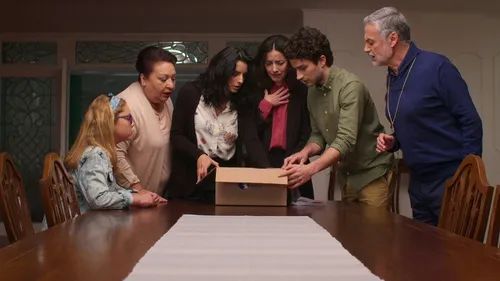
Season 2 · Episode 2
IRIS, (Symb. faith)
C1Mexican32 min on Netflix
 Mexicanon Netflix
Paulina is determined to buy back the family's former flower shop and cabaret, but obstacles arise. Diego makes a peace offering. Elena comes clean.
25 words and expressions11 free to read and keep
Keep one and it comes back tomorrow, then 3 days, then a week, until you know it.
Worth remembering from this episode
Ordered by what we think matters most.
florería
flower shopnoun (f)Mi tía abrió una florería en el centro de la ciudad.My aunt opened a flower shop in the city center.cabaret
cabaret, nightclub (often with performers)noun (m)El cabaret del barrio cerró después de veinte años.The neighborhood cabaret closed after twenty years.arreglo floral
floral arrangementnoun phrase (m)Le pedí a la florería un arreglo floral para el cumpleaños de mi mamá.I asked the flower shop for a floral arrangement for my mom's birthday.testamento
will, testamentnoun (m)El abogado leyó el testamento frente a toda la familia.The lawyer read the will in front of the whole family.redimir
to redeem oneselfverbQuiere redimirse haciendo trabajo voluntario en su comunidad.He wants to redeem himself by doing volunteer work in his community.pelea de gallos
cockfightnoun phrase (f)Las peleas de gallos son una tradición muy antigua en algunas regiones.Cockfights are a very old tradition in some regions.aventón
ride (in a car), liftnoun (m)¿Me das un aventón a la estación del metro?Can you give me a ride to the metro station?
vulgar4 more entries, marked strong language because the episode uses them.Show themHide them
no mames
no way, are you serious, what the hellexpressionvulgarExtremely common in Mexican Spanish across all social classes. Expresses strong disbelief, frustration, or indignation. The intensity ranges from mild to very strong depending on tone and context.
¿Te cobraron cinco mil pesos por eso? ¡No mames!They charged you five thousand pesos for that? No way!cabrón
bastard, asshole (strong insult between people in conflict)expressionvulgarIn Mexican Spanish can function as a harsh insult when used in anger, but also as a term of affectionate camaraderie between very close friends. Context and tone determine which reading applies.
¡Ese cabrón me quedó mal a última hora!That bastard let me down at the last minute!me caga
I hate it / them, it drives me crazyexpressionvulgarLiterally from 'cagar' (to defecate). Very common in informal Mexican speech to express intense dislike. 'Me caga esa persona' is a strong but ordinary expression of annoyance or hatred in casual registers.
Me caga cuando alguien llega tarde sin avisar.It drives me crazy when someone shows up late without warning.ni de pedo
no way, absolutely notexpressionvulgarStrong, emphatic negation common in everyday Mexican speech. More emphatic than a plain 'no'. Used to reject a suggestion outright. 'Pedo' carries multiple idiomatic uses in Mexican slang.
¿Que le preste mi coche a Ricardo? Ni de pedo.Lend Ricardo my car? No way.
11 worth keeping from this episode. Free to read and keep.
An account is all it takes to keep them.
What Pro opens
- 10 more words and 4 more expressions here, and every entry in every other pack.
- Examples spoken in the show’s own dialect, not a browser voice.
Get Pro ›$59 $29.50 a year, or $8 $4 a month in USD. Early bird, 50% off for life. Cancel anytime.