‹ Peter Pan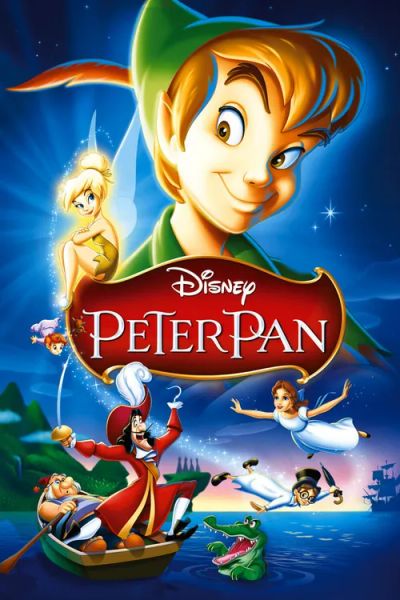
Film · 1953 · Animation
Peter Pan
B1LatAm dubRelaxed dialogueRelaxed: slower, easier to follow· 77 minIMDb 7.3·RT 79% on Disney Plus
on Disney PlusWendy and her brothers are whisked away to the magical world of Neverland with the hero of their stories, Peter Pan.
25 words and expressions9 free to read and keep
Keep one and it comes back tomorrow, then 3 days, then a week, until you know it.
Worth remembering from this film
Ordered by what we think matters most.
tripulación
crew (of a ship or aircraft)noun (f.)La tripulación del barco llevaba semanas sin pisar tierra firme.The ship's crew had gone weeks without setting foot on dry land.bacalao
cod (fish), used here as a mocking insult implying weakness or cowardiceexpressioncolloquialIn the dialogue, 'bacalao' is used as a taunting label for a character who is being ridiculed. It is not a standard insult in everyday Latin American Spanish, but its use here follows a tradition in dubbed adventure stories of inventing colorful, non-offensive insults for children's content.
Sus compañeros lo llamaban bacalao porque siempre se echaba atrás cuando había que tomar decisiones difíciles.His teammates called him a cod because he always backed down when tough decisions had to be made.gemelos
cufflinks (also: twins)noun (m. pl.)Mi papá siempre usa gemelos de oro cuando va a una reunión importante.My dad always wears gold cufflinks when he goes to an important meeting.niñera
nanny, babysitternoun (f.)Contrataron a una niñera para cuidar a los hijos mientras trabajaban.They hired a nanny to look after the children while they worked.zarpar
to set sail, to depart (by sea)verbEl barco zarpará al amanecer con destino a las islas del sur.The ship will set sail at dawn heading for the southern islands.guarida
hideout, lair, dennoun (f.)Los niños construyeron una guarida secreta detrás del jardín.The kids built a secret hideout behind the garden.polvo
dust, powder (here: magic dust)noun (m.)El mago lanzó un polvo brillante al aire y todos quedaron sorprendidos.The magician threw a sparkling powder into the air and everyone was amazed.¡Caracoles!
an exclamation of surprise or mild alarm, roughly 'Goodness!' or 'Wow!'expressioncolloquialLiterally 'snails,' but used as a softened exclamation in place of a stronger oath. Very common in traditional Latin American dubbed cartoons and children's content as a family-friendly way to express shock.
¡Caracoles, no me di cuenta de que ya era tan tarde!Goodness, I didn't realize it was already so late!colmo
last straw, the limitnoun (m.)Que llegara tarde otra vez fue el colmo para su jefe.Arriving late again was the last straw for his boss.
9 worth keeping from this film. Free to read and keep.
An account is all it takes to keep them.
What Pro opens
- 11 more words and 5 more expressions here, and every entry in every other pack.
- Examples spoken in the show’s own dialect, not a browser voice.
Get Pro ›$59 $29.50 a year, or $8 $4 a month in USD. Early bird, 50% off for life. Cancel anytime.