‹ Iosi, el espía arrepentido: all episodes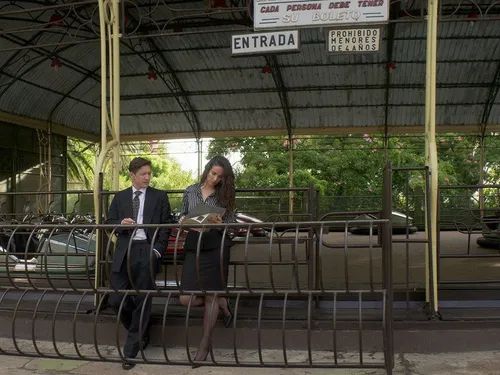
Season 1 · Episode 7
14.45
C1ArgentineFast dialogueFast: quicker, harder to follow· 60 min on Amazon Prime Video
 Argentineon Amazon Prime Video
As a fugitive, Yosi goes back to his town and reconnects with his stepfather, without realizing the danger he’s exposing him to. In the past, Yosi tries to stay in control and keep his emotions at bay. But nothing can prepare him to what’s about to happen, something that will change everything forever.
29 words and expressions11 free to read and keep
Keep one and it comes back tomorrow, then 3 days, then a week, until you know it.
Worth remembering from this episode
Ordered by what we think matters most.
quilombo
mess, chaos, scandal, major problemexpressioncolloquialOne of the most frequent Argentine colloquialisms. Used for any situation involving disorder, trouble, or a big commotion. Originally referred to a brothel historically, but today carries no sexual connotation in everyday use.
Se armó un quilombo enorme cuando cortaron la luz en plena reunión.A huge mess broke out when the power cut out right in the middle of the meeting.viejo
dad, father (affectionate informal)expressioncolloquialIn Argentine (Rioplatense) Spanish, 'viejo/a' is the standard everyday word for one's own father/mother in informal speech. Plural 'los viejos' means parents. Not condescending when used this way.
Mi viejo me llamó tres veces antes de que yo contestara.My dad called me three times before I answered.causa
legal case, court casenoun (f.)El abogado dijo que la causa tardará varios meses en resolverse.The lawyer said the case will take several months to resolve.carpeta
folder, dossier (of compromising documents)noun (f.)Tenía una carpeta con información comprometedora sobre varios funcionarios.He had a folder with compromising information about several officials.allanar
to raid, to carry out a search (official)verbLa policía va a allanar el depósito esta madrugada.The police are going to raid the warehouse in the early hours.señar
to put down a deposit on (property, a purchase)verbMañana vamos a señar el departamento en San Telmo.Tomorrow we're putting down a deposit on the apartment in San Telmo.expediente
file, dossier, official recordnoun (m.)Pidió que le trajeran el expediente completo antes de la audiencia.He asked them to bring him the complete file before the hearing.audiencia
hearing (legal)noun (f.)La audiencia quedó fijada para el próximo jueves a las diez.The hearing has been set for next Thursday at ten.coletazo
backlash, aftershock, ripple effectnoun (m.)La crisis financiera tuvo varios coletazos que se sintieron durante años.The financial crisis had several aftershocks that were felt for years.
vulgar2 more entries, marked strong language because the episode uses them.Show themHide them
sorete
piece of shit (as an insult for a person)expressionvulgarExtremely common Argentine insult, used to describe someone seen as contemptible or worthless. Repeated emphatically in confrontational situations.
No le hagas caso, ese tipo es un sorete que miente a todo el mundo.Don't pay attention to him, that guy is a piece of shit who lies to everyone.cagada
screw-up, blunder, something badly mishandledexpressionvulgarRefers to a serious mistake or a messy situation caused by poor judgment. Common in informal speech across all ages.
Mandar ese correo sin leerlo bien fue una cagada enorme.Sending that email without reading it carefully was a huge screw-up.
11 worth keeping from this episode. Free to read and keep.
An account is all it takes to keep them.
What Pro opens
- 10 more words and 8 more expressions here, and every entry in every other pack.
- Examples spoken in the show’s own dialect, not a browser voice.
Get Pro ›$59 $29.50 a year, or $8 $4 a month in USD. Early bird, 50% off for life. Cancel anytime.