‹ Where the Tracks End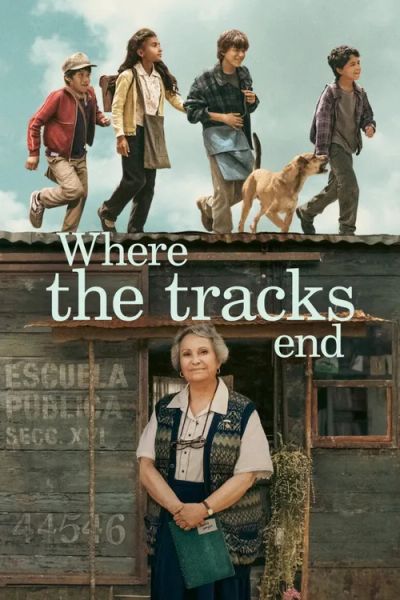
Film · 2023 · Drama
Where the Tracks End
El último vagón
B2Mexican95 minIMDb 7.0 on Netflix
 Mexicanon Netflix
Georgina is a teacher determined to make a difference in the lives of the children she educates in the classroom of a wagon school in rural Mexico.
28 words and expressions13 free to read and keep
Keep one and it comes back tomorrow, then 3 days, then a week, until you know it.
Worth remembering from this film
Ordered by what we think matters most.
maestra
teacher (female), schoolteachernoun (f)La maestra llegó temprano para preparar las actividades del día.The teacher arrived early to prepare the day's activities.mijo
son, kid, dear (term of endearment from parent or older person to a younger one)expressioncolloquialContraction of 'mi hijo.' Used extensively by parents, grandparents, and sometimes teachers toward children. Also used between peers or by service workers as a warm, informal address. Not condescending in context; signals affection or closeness.
Come bien, mijo, que tienes que crecer fuerte.Eat well, son, you have to grow up strong.ándale
come on, go ahead, that's it, alright then (multipurpose expression of encouragement or agreement)expressioncolloquialOne of the most characteristically Mexican expressions. Used to encourage action ('come on'), signal agreement ('alright then'), celebrate a correct answer ('that's it'), or hurry someone along. Meaning shifts almost entirely with tone and context.
¡Ándale, ya casi llegas, no te rajes ahora!Come on, you're almost there, don't back out now!jodido
screwed, broke, in a bad situation; used as a noun to mean someone who has nothingexpressioncolloquialIn this dialogue it is used by working-class characters to describe people with no land, money, or social power, inherited across generations. The word carries bitterness and social commentary rather than being purely vulgar. Context determines intensity.
Así vivimos siempre, jodidos y sin que nadie nos haga caso.We always live like this, screwed over and with nobody paying attention to us.gusano
worm (used as a mildly affectionate or teasing insult between kids)expressioncolloquialLiterally 'worm,' but used here as a recurring nickname-insult between young male friends. The tone shifts between playful ribbing and genuine put-down depending on context. Common in informal speech among children and teens.
Ándale, gusano, a ver si puedes ganarme en la siguiente carrera.Come on, worm, let's see if you can beat me in the next race.tritón
newt (the amphibian); also Triton in Greek mythologynoun (m)El tritón puede vivir tanto en el agua como en tierra firme.The newt can live both in water and on dry land.órale
okay, alright, wow, let's go (context-dependent affirmation or exclamation)expressioncolloquialQuintessentially Mexican. Functions as agreement ('okay, deal'), an excited reaction ('wow, check that out'), or a prompt to action ('let's go'). Meaning is almost entirely tone-driven. Widely recognized as a marker of Mexican speech.
¿Nos vemos mañana a las ocho? — Órale, ahí estaré.See you tomorrow at eight? — Alright, I'll be there.tramo
stretch, section (of road or railway)noun (m)Falta poco para terminar el tramo más difícil de la carretera.There is not much left to finish the hardest stretch of the road.cuadrilla
work crew, gang of laborersnoun (f)La cuadrilla terminó de tender las vías antes de que cayera la noche.The work crew finished laying the tracks before nightfall.sindicato
labor unionnoun (m)El sindicato negoció mejores condiciones de trabajo para todos los empleados.The union negotiated better working conditions for all employees.renunciar
to resign, to quit (a job)verbDespués de diez años en la empresa, decidió renunciar para empezar su propio negocio.After ten years at the company, he decided to quit to start his own business.híjole
wow, oh man, geez (expression of surprise, alarm, or admiration)expressioncolloquialOne of the most distinctively Mexican exclamations. Signals sudden surprise, mild shock, or impressed reaction. Completely tame in register and widely used across all ages and social contexts in Mexico.
¡Híjole, no sabía que el examen era hoy!Oh man, I had no idea the exam was today!castigado
grounded, punished (used for children being disciplined at home)adjective / past participleEstá castigado toda la semana porque reprobó tres materias.He is grounded all week because he failed three subjects.
13 worth keeping from this film. Free to read and keep.
An account is all it takes to keep them.
What Pro opens
- 11 more words and 4 more expressions here, and every entry in every other pack.
- Examples spoken in the show’s own dialect, not a browser voice.
Get Pro ›$59 $29.50 a year, or $8 $4 a month in USD. Early bird, 50% off for life. Cancel anytime.