‹ The Platform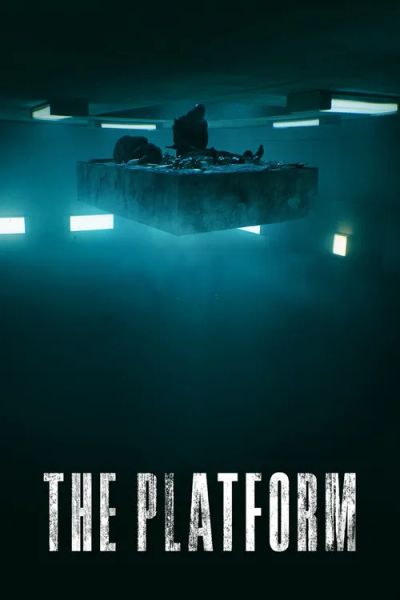
Film · 2019 · Sci-Fi
The Platform
B1Castilian94 minIMDb 7.0·RT 81% on Netflix
 Castilianon Netflix
A slab of food descends down a vertical facility. The residents above eat heartily, leaving those below starving and desperate. A rebellion is imminent.
27 words and expressions11 free to read and keep
Keep one and it comes back tomorrow, then 3 days, then a week, until you know it.
Worth remembering from this film
Ordered by what we think matters most.
el nivel
the level / the floornoun (masculine)Vivo en el quinto nivel de este edificio.I live on the fifth floor of this building.el agujero
the hole / the pitnoun (masculine)Cayó una moneda por el agujero del suelo.A coin fell through the hole in the floor.la plataforma
the platformnoun (feminine)El tren llegó a la plataforma con retraso.The train arrived at the platform late.la ración
the portion / the rationnoun (feminine)Cada voluntario recibió una ración de comida al día.Each volunteer received one food ration per day.la administración
the administration / the managementnoun (feminine)La administración del edificio envió un aviso a todos los residentes.The building administration sent a notice to all residents.¡Venga!
Come on! / Go ahead! / Alright!expressioncolloquialA high-frequency discourse particle in Castilian Spanish with several functions: encouragement ('come on, do it'), agreement/farewell ('alright, bye'), impatience, or disbelief. Context and intonation determine meaning entirely. Absent from very formal registers but universal in everyday speech.
¡Venga, que llegamos tarde y el tren no espera a nadie!Come on, we're late and the train waits for no one!la solidaridad
solidaritynoun (feminine)La solidaridad entre vecinos fue clave durante la crisis.Solidarity among neighbors was key during the crisis.las sobras
the leftovers / the scrapsnoun (feminine plural)Guardamos las sobras de la cena en el frigorífico.We kept the dinner leftovers in the fridge.racionar
to rationverbDurante el campamento, tuvimos que racionar el agua.During the camp, we had to ration the water.
vulgar2 more entries, marked strong language because the film uses them.Show themHide them
mierda
shitexpressionvulgarExtremely versatile: expresses frustration, dismissal, or contempt. Appears as an exclamation, a noun meaning 'a terrible situation', and in compound expressions. One of the most frequently heard profanities in informal Castilian speech across all social contexts.
Todo el proyecto se ha ido a la mierda por no revisar los números antes.The whole project has gone to shit because nobody checked the numbers beforehand.gilipollas
idiot / dickhead / assholeexpressionvulgarOne of the most characteristic insults in Castilian Spanish. It can range from mild exasperation among friends to a serious insult depending on tone. Unlike many insults it is invariable in form, it does not change for gender. Very recognisable as distinctly Iberian Spanish.
No seas gilipollas y cierra la puerta con llave cuando salgas.Don't be an idiot and lock the door when you leave.
11 worth keeping from this film. Free to read and keep.
An account is all it takes to keep them.
What Pro opens
- 10 more words and 6 more expressions here, and every entry in every other pack.
- Examples spoken in the show’s own dialect, not a browser voice.
Get Pro ›$59 $29.50 a year, or $8 $4 a month in USD. Early bird, 50% off for life. Cancel anytime.