‹ The Photographer Of Mauthausen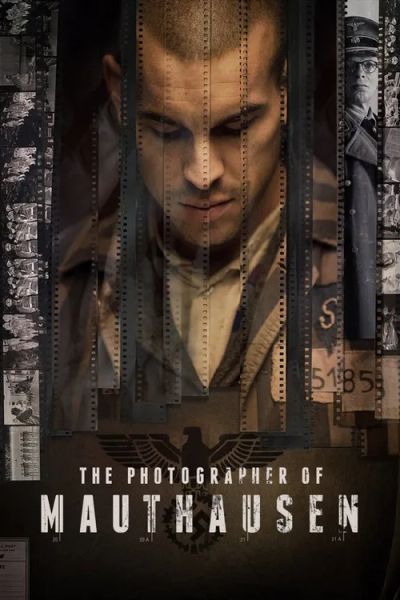
Film · 2018 · Drama
The Photographer Of Mauthausen
El fotógrafo de Mauthausen
C1CastilianRelaxed dialogueRelaxed: slower, easier to follow· 111 minIMDb 6.7·RT 86% on Netflix
 Castilianon Netflix
Spanish photographer Francesc Boix, imprisoned in the Mauthausen-Gusen concentration camp, works in the SS Photographic Service. Between 1943 and 1945, he hides, with the help of other prisoners, thousands of negatives, with the purpose of showing the freed world the atrocities committed by the Nazis, exhaustively documented. He will be a key witness during the Nuremberg Trials.
27 words and expressions10 free to read and keep
Keep one and it comes back tomorrow, then 3 days, then a week, until you know it.
Worth remembering from this film
Ordered by what we think matters most.
negativo
photographic negativenoun (m)El fotógrafo guardó los negativos en una caja de metal.The photographer kept the negatives in a metal box.preso
prisoner / imprisonednoun (m) / adjectiveLos presos trabajaban de sol a sol sin descanso.The prisoners worked from sunrise to sunset without rest.campo
camp (concentration camp in this context)noun (m)Las condiciones en el campo eran inhumanas.The conditions in the camp were inhumane.kapo
kapo (prisoner appointed to supervise other prisoners in Nazi camps)noun (m)Los kapos tenían privilegios que el resto de internos no podía ni imaginar.The kapos had privileges the rest of the inmates could not even imagine.prisionero
prisoner (of war)noun (m)El gobierno negoció la liberación de los prisioneros de guerra.The government negotiated the release of the prisoners of war.revelar
to develop (photographs)verbTardaron dos horas en revelar las fotos del carrete.It took them two hours to develop the photos from the roll.escenografía
set design; staging; scenery (also used figuratively for orchestrated appearances)noun (f)La escenografía del desfile estaba pensada para impresionar a los visitantes.The staging of the parade was designed to impress the visitors.
vulgar3 more entries, marked strong language because the film uses them.Show themHide them
joder
damn; for fuck's sake; bloody hell (expletive expressing frustration or emphasis)expressionvulgarExtremely common expletive. Context determines strength, ranges from mild frustration to genuine anger. In this dialogue it signals urgency and exasperation between characters who know each other well.
¡Joder, ya son las tres y todavía no has terminado!For fuck's sake, it's already three o'clock and you still haven't finished!cabrón
bastard; son of a bitch (strong insult, also used affectionately between close friends)expressionvulgarOne of the most versatile insults. Between close friends it can be affectionate; directed at an enemy it is a genuine insult. The double meaning is entirely context-dependent.
¡Ese cabrón nos traicionó delante de todos!That bastard betrayed us in front of everyone!hijo de puta
son of a bitch (strong insult)expressionvulgarOne of the strongest insults available. Used here in a moment of genuine rage directed at someone in a position of power. Can occasionally be used between very close friends without insult, but context here is unambiguous.
Ese hijo de puta nos robó el dinero y desapareció.That son of a bitch stole our money and disappeared.
10 worth keeping from this film. Free to read and keep.
An account is all it takes to keep them.
What Pro opens
- 11 more words and 6 more expressions here, and every entry in every other pack.
- Examples spoken in the show’s own dialect, not a browser voice.
Get Pro ›$59 $29.50 a year, or $8 $4 a month in USD. Early bird, 50% off for life. Cancel anytime.