‹ The Lost Children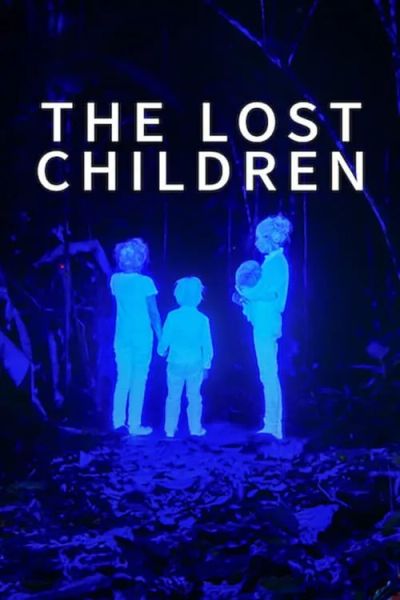
Film · 2024 · Documentary
The Lost Children
Los niños perdidos
B2ColombianRelaxed dialogueRelaxed: slower, easier to follow· 97 minIMDb 7.0 on Netflix
 Colombianon Netflix
After a plane crash, four indigenous children fight to survive in the Colombian Amazon using ancestral wisdom as an unprecedented rescue mission unfolds.
28 words and expressions10 free to read and keep
Keep one and it comes back tomorrow, then 3 days, then a week, until you know it.
Worth remembering from this film
Ordered by what we think matters most.
selva
jungle, rainforestnoun (f)Adentrarse en la selva amazónica sin guía es muy peligroso.Entering the Amazon jungle without a guide is very dangerous.avioneta
small plane, light aircraftnoun (f)La avioneta aterrizó en una pista de tierra en medio de la selva.The small plane landed on a dirt strip in the middle of the jungle.toca
you have to, one has to, it is necessary (impersonal obligation)expressioncolloquialShortened form of 'le toca' or impersonal 'toca'. Extremely common in Colombian Spanish to express obligation or necessity without specifying a subject. Often interchangeable with 'hay que' but feels more immediate and personal in tone.
Si queremos llegar temprano, toca salir antes de las seis.If we want to get there early, we have to leave before six.rescatista
rescuer, rescue workernoun (m/f)Los rescatistas trabajaron durante toda la noche para sacar a las víctimas del derrumbe.The rescuers worked through the night to pull victims from the landslide.chamán
shaman, spiritual healernoun (m)El chamán de la comunidad realizó una ceremonia para pedir protección antes del viaje.The community shaman held a ceremony to ask for protection before the journey.yagé
yagé, ayahuasca, a psychoactive brew used in Amazonian indigenous ritualsnoun (m)El yagé se prepara con plantas de la selva y su uso es exclusivamente ceremonial en muchas comunidades.Yagé is prepared from jungle plants and its use is exclusively ceremonial in many communities.disidencia
dissident faction, breakaway group (specifically used for FARC splinter groups in Colombia)noun (f)Las disidencias operan en zonas rurales donde el Estado tiene poca presencia.The dissident factions operate in rural areas where the State has little presence.rastro
track, trail, trace, signnoun (m)El perro siguió el rastro del oso hasta la orilla del río.The dog followed the bear's trail all the way to the riverbank.man
guy, dude (used to refer to any male person)expressioncolloquialUbiquitous in everyday Colombian speech. Borrowed from English but fully naturalized. Can refer to someone present or absent, and is not derogatory. Written 'man' in Colombian Spanish.
El man que vive al frente siempre pone música muy duro por las noches.The guy who lives across the street always plays music way too loud at night.tetero
baby bottleexpressioncolloquialThe standard Colombian word for a baby's bottle. Used in everyday family speech across Colombia. Its presence in the jungle served as a key clue that a baby had survived, making it important in context.
Hay que hervir el tetero antes de dárselo al bebé para evitar infecciones.You have to boil the baby bottle before giving it to the baby to prevent infections.
10 worth keeping from this film. Free to read and keep.
An account is all it takes to keep them.
What Pro opens
- 11 more words and 7 more expressions here, and every entry in every other pack.
- Examples spoken in the show’s own dialect, not a browser voice.
Get Pro ›$59 $29.50 a year, or $8 $4 a month in USD. Early bird, 50% off for life. Cancel anytime.




 Argentine
 Mexican
 Castilian dub