‹ The Kings of the World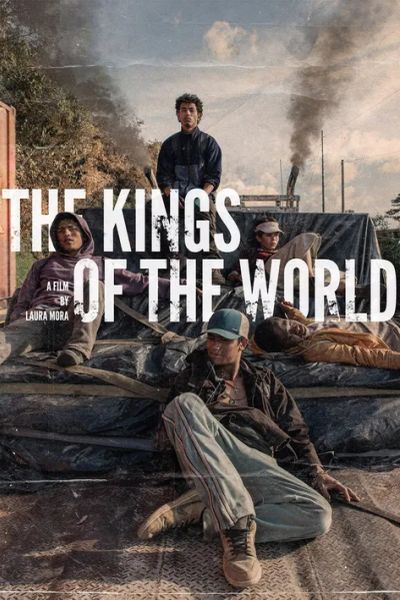
Film · 2022 · Drama
The Kings of the World
Los reyes del mundo
C1Colombian111 minIMDb 7.0·RT 95% on Netflix
 Colombianon Netflix
Rá, Culebro, Sere, Winny and Nano. Five boys who live on the streets of Medellín. Five kings with no kingdom, no law, no family, set out on a journey in search of the promised land. A subversive tale told through a wild and endearing clan, somewhere between reality and delirium. A journey to nowhere, where everything happens.
28 words and expressions11 free to read and keep
Keep one and it comes back tomorrow, then 3 days, then a week, until you know it.
Worth remembering from this film
Ordered by what we think matters most.
sin palabras
unbelievable, no way, I'm speechless (expresses disbelief or amazement)expressioncolloquialLiterally 'without words', used as a fixed exclamation of astonishment, disbelief, or exasperation. In this register it does not mean the speaker is actually speechless, it is emphatic and can be positive or negative depending on context.
¿Perdiste el vuelo por quedarte dormido? Sin palabras, hermano.You missed the flight because you overslept? Unbelievable, man.parce
buddy, mate, palexpressioncolloquialShortened form of parcero/parcera, the quintessential Medellín/Colombian term for a close friend or associate. Widely understood across Colombia. Neutral to warm in tone; used across genders.
Oye, parce, ¿me ayudás a cargar esto un momento?Hey buddy, can you help me carry this for a sec?restitución de tierras
land restitutionnoun phrase (f)Muchas familias campesinas iniciaron procesos de restitución de tierras después del conflicto.Many farming families started land restitution processes after the conflict.desplazamiento forzado
forced displacementnoun phrase (m)El desplazamiento forzado dejó a miles de personas sin hogar ni tierra.Forced displacement left thousands of people without home or land.víctima
victimnoun (f)Las víctimas del conflicto armado tienen derecho a una reparación integral.Victims of the armed conflict have the right to full reparation.predio
property, plot of landnoun (m)El predio fue abandonado durante más de diez años antes de la restitución.The plot of land was abandoned for more than ten years before restitution.providencia
court ruling, judicial ordernoun (f)El juez emitió una providencia que ordenaba devolver los terrenos a sus dueños originales.The judge issued a ruling ordering the land returned to its original owners.heredero
heirnoun (m)Como único heredero, él tenía que presentar el registro civil de su madre.As the sole heir, he had to present his mother's birth certificate.apelar
to appeal (a ruling)verbLa parte contraria decidió apelar el fallo ante un tribunal superior.The opposing party decided to appeal the ruling before a higher court.
vulgar2 more entries, marked strong language because the film uses them.Show themHide them
pirobo
idiot, bastard; also a loose term of address between friendsexpressionvulgarFunctions similarly to gonorrea on the register scale: both insult and affectionate address, determined entirely by tone. More directly derogatory than gonorrea when used as an insult. Strongly associated with Medellín popular barrio speech.
Ese pirobo me debe plata desde hace tres meses y no da la cara.That idiot has owed me money for three months and won't show his face.gonorrea
dude, man (address between friends); also a strong insult depending on toneexpressionvulgarLiterally a venereal disease, but in Colombian street speech it functions as an all-purpose address between close male friends, similar to 'bro', and simultaneously as a harsh insult when directed at an enemy. Tone and context determine which meaning applies. It is strongly marked as lower-class Medellín street register and would be shocking in formal or mixed company.
¡Qué más, gonorrea! ¿Cuándo llegaste de viaje?What's up, man! When did you get back from your trip?
11 worth keeping from this film. Free to read and keep.
An account is all it takes to keep them.
What Pro opens
- 10 more words and 7 more expressions here, and every entry in every other pack.
- Examples spoken in the show’s own dialect, not a browser voice.
Get Pro ›$59 $29.50 a year, or $8 $4 a month in USD. Early bird, 50% off for life. Cancel anytime.





 Castilian


 Mexican