‹ The Giant Falls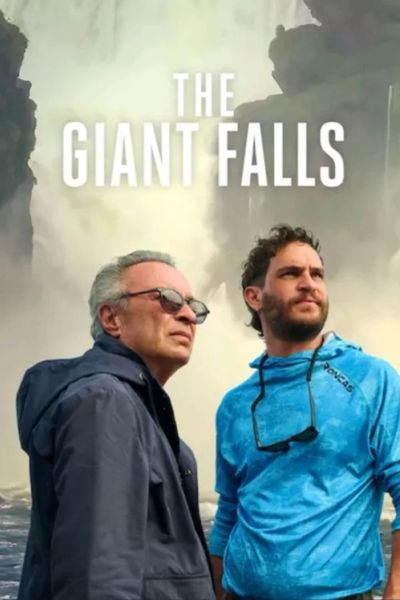
Film · 2026 · Drama
The Giant Falls
El último gigante
C1Argentine102 minIMDb 5.9 on Netflix
 Argentineon Netflix
Follows Boris, a charismatic tour guide who unexpectedly reunites with his estranged father Julián. Their tense and emotional encounters explore past wounds and the possibility of forgiveness.
29 words and expressions12 free to read and keep
Keep one and it comes back tomorrow, then 3 days, then a week, until you know it.
Worth remembering from this film
Ordered by what we think matters most.
tour
guided tour, excursionnoun (m)Contratamos un tour por las cataratas para el sábado.We booked a tour of the waterfalls for Saturday.rajarse
to take off, to get out fast, to fleeexpressioncolloquialCommon Rioplatense verb meaning to leave quickly or escape from a place or situation. Often implies avoiding something uncomfortable.
Cuando empezó la pelea, todos se rajaron del lugar.When the fight started, everyone took off from the place.salida
excursion, outing, departurenoun (f)La salida al parque está programada para las diez de la mañana.The park outing is scheduled for ten in the morning.guía
tour guidenoun (m/f)El guía nos explicó la historia del lugar con mucha claridad.The guide explained the history of the place very clearly.denuncia
formal complaint, police reportnoun (f)Fue a la comisaría a hacer una denuncia por el robo.She went to the police station to file a report about the theft.al pedo
doing nothing, hanging around aimlessly, for no reason, pointlesslyexpressioncolloquialVery common Rioplatense expression. 'Estar al pedo' means to have nothing to do or to be loafing around. Can also describe an action done for no good reason.
Me quedé al pedo toda la tarde esperando que me llamaran.I spent the whole afternoon just hanging around waiting for them to call me.agonía
agony, death throes, prolonged suffering before deathnoun (f)La familia no quería que sufriera una agonía larga en el hospital.The family did not want him to suffer a long agony in the hospital.oncológico
oncological, cancer-relatedadjectiveEstá siguiendo un tratamiento oncológico en el hospital central.He is undergoing oncological treatment at the main hospital.terminal
terminal (illness)adjectiveLe dijeron que la enfermedad era terminal y que tenía pocos meses.They told him the illness was terminal and that he had a few months left.demorado
detained (by police), heldadjective/past participleLo tuvieron demorado en la comisaría toda la noche.They held him at the police station all night.
vulgar2 more entries, marked strong language because the film uses them.Show themHide them
boludo
idiot, fool (strong insult with wide tonal range, from affectionate to cutting)expressionvulgarExtremely common in Argentine speech. Like pelotudo, the register shifts dramatically with tone and relationship. Between close friends it functions almost as a neutral address term; directed at a stranger or rival it is a serious insult.
¿Boludo, por qué no me esperaste en la esquina como habíamos quedado?Dude, why didn't you wait for me on the corner like we agreed?pelotudo
idiot, moron (very strong insult, but also used affectionately between close friends)expressionvulgarOne of the most common Argentine insults. Its strength depends entirely on tone and relationship: between close friends it can be warm teasing, while between strangers it is genuinely offensive. The noun and adjective forms are used interchangeably.
¡Sos un pelotudo! ¿Cómo no avisaste que no venías?You're such an idiot! How did you not let us know you weren't coming?
12 worth keeping from this film. Free to read and keep.
An account is all it takes to keep them.
What Pro opens
- 10 more words and 7 more expressions here, and every entry in every other pack.
- Examples spoken in the show’s own dialect, not a browser voice.
Get Pro ›$59 $29.50 a year, or $8 $4 a month in USD. Early bird, 50% off for life. Cancel anytime.