‹ Technoboys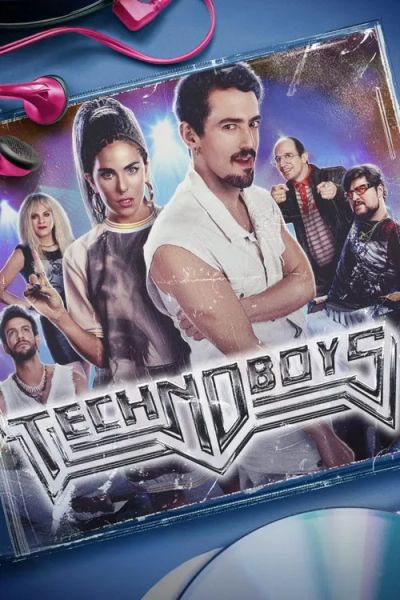
Film · 2024 · Comedy
Technoboys
C1Mexican109 minIMDb 5.3 on Netflix
 Mexicanon Netflix
They're fierce, they're iconic, they're back — and they're totally lost. A boyband seeking a renaissance must navigate a world they barely understand.
29 words and expressions12 free to read and keep
Keep one and it comes back tomorrow, then 3 days, then a week, until you know it.
Worth remembering from this film
Ordered by what we think matters most.
güey
dude, man, bro (general address term or filler, can be neutral or mildly dismissive depending on tone)expressioncolloquialExtremely common in Mexican Spanish informal speech. Used between friends as a neutral address term, or mid-sentence as a filler with no precise meaning. Tone and context determine whether it is affectionate, exasperated, or neutral. Often spelled 'wey' as well.
Oye, güey, ¿ya viste el partido de anoche o qué?Hey, dude, did you watch last night's game or what?gira
tour (musical or performing arts)noun (f)La cantante anunció una gira por toda América Latina para el próximo año.The singer announced a tour throughout Latin America for next year.integrante
member (of a group, band, or team)noun (m/f)Uno de los integrantes del grupo decidió retirarse antes del concierto final.One of the group's members decided to withdraw before the final concert.dueto
duet (a musical performance or collaboration between two artists)noun (m)El dueto entre los dos cantantes fue el momento más esperado del festival.The duet between the two singers was the most anticipated moment of the festival.mánager
manager (professional representative of an artist or group)noun (m)El mánager de la banda negoció todos los contratos de la gira.The band's manager negotiated all the tour contracts.reencuentro
reunion (the coming together again of a group or people after a long separation)noun (m)El reencuentro de los cinco integrantes del grupo fue muy emotivo.The reunion of the group's five members was very emotional.sencillo
single (a song released individually as a music track)noun (m)El grupo lanzó su primer sencillo del nuevo álbum la semana pasada.The group released the first single from their new album last week.derechos
rights (legal intellectual property rights, such as to a name or recording)noun (m, pl)La discográfica perdió los derechos del nombre de la banda por no renovarlos a tiempo.The record label lost the rights to the band's name by not renewing them in time.discográfica
record label, record companynoun (f)Firmaron con una discográfica internacional después de años de trabajo independiente.They signed with an international record label after years of independent work.
vulgar3 more entries, marked strong language because the film uses them.Show themHide them
no mames
no way, you're kidding me, come on (expression of disbelief, surprise, or frustration)expressionvulgarOne of the most frequent Mexican Spanish exclamations. Literally obscene but so common in casual speech that many speakers no longer feel its vulgarity strongly. Used to express shock, disbelief, disappointment, or exasperation. Not appropriate in formal settings.
¿No mames, ya se acabaron los boletos? Los quería comprar esta mañana.No way, the tickets are already sold out? I wanted to buy them this morning.chingón
awesome, badass, really great (strong positive descriptor)expressionvulgarDerives from 'chingar' but functions as a strong informal compliment or positive intensifier. Calling something or someone 'chingón' means they are impressive, excellent, or admirable. Context is almost always positive when used this way, though the word is still considered vulgar.
El concierto estuvo chingón, de verdad que la banda tocó increíble.The concert was awesome, the band really played incredibly.a huevo
hell yeah, absolutely, for sure (strong affirmation)expressionvulgarEmphatic affirmative used in casual Mexican speech. Conveys enthusiasm, strong agreement, or proud confirmation. Despite the literal words, the expression functions as a pure intensified 'yes'. Not appropriate in formal contexts.
¿Vas a ir al concierto el sábado? — ¡A huevo que sí, ya tengo mis boletos!Are you going to the concert on Saturday? — Hell yeah, I already have my tickets!
12 worth keeping from this film. Free to read and keep.
An account is all it takes to keep them.
What Pro opens
- 9 more words and 8 more expressions here, and every entry in every other pack.
- Examples spoken in the show’s own dialect, not a browser voice.
Get Pro ›$59 $29.50 a year, or $8 $4 a month in USD. Early bird, 50% off for life. Cancel anytime.