‹ Solo Con Tu Pareja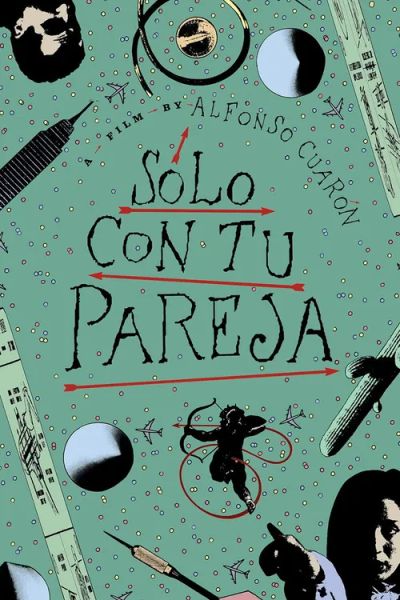
Film · 1992 · Drama
Solo Con Tu Pareja
Sólo con tu pareja
C1Mexican94 minIMDb 6.8·RT 67% on Amazon Prime Video
 Mexicanon Amazon Prime Video
Tomás Tomás is a young yuppie playboy with a string of discarded girlfriends. But when Silvia, the victim of one of his adventures, tries to get revenge by typing "positive" on his AIDS test, Tomás experiences for the first time the realities of love and death.
29 words and expressions10 free to read and keep
Keep one and it comes back tomorrow, then 3 days, then a week, until you know it.
Worth remembering from this film
Ordered by what we think matters most.
güey
dude, man, guy (address term between friends)expressioncolloquialAlso spelled 'wey'. The most frequent address term in informal Mexican Spanish among peers. Originally an insult, it now functions primarily as a neutral or even affectionate filler when used between friends. Can also refer to a third party ('ese güey' = that guy). Tone and context determine whether it carries any negative edge.
Oye, güey, ¿a qué hora nos vemos en el parque?Hey, dude, what time are we meeting at the park?eslogan
slogan, taglinenoun (m)El equipo de publicidad tardó una semana en crear el eslogan perfecto para la nueva bebida.The advertising team spent a week creating the perfect slogan for the new drink.análisis
test, analysis (medical or laboratory)noun (m)El médico me pidió que me hiciera unos análisis de sangre antes de la operación.The doctor asked me to get some blood tests done before the surgery.departamento
apartmentnoun (m)Acaban de renovar el departamento del cuarto piso y quedó muy bonito.They just renovated the apartment on the fourth floor and it turned out very nice.harakiri
harakiri, ritual suicide; used colloquially to mean an act of self-destructionnoun (m)Renunciar a ese trabajo sin tener otro fue un harakiri profesional.Quitting that job without having another one lined up was professional suicide.sobrecargo
flight attendantnoun (m/f)El sobrecargo les explicó a los pasajeros cómo usar el chaleco salvavidas.The flight attendant explained to the passengers how to use the life vest.cornisa
ledge, cornice (architectural)noun (f)El gato se quedó atrapado en la cornisa del edificio y tuvieron que rescatarlo.The cat got stuck on the building ledge and they had to rescue it.cuenta
account, client account (in advertising/business context)noun (f)La agencia ganó una cuenta muy importante con una empresa de refrescos.The agency won a very important account with a soft drink company.
vulgar2 more entries, marked strong language because the film uses them.Show themHide them
cabrón
bastard, asshole; also used affectionately between close male friendsexpressionvulgarHighly context-dependent. Between close male friends it can be warm and affectionate, roughly equivalent to 'you son of a gun'. Directed at someone in anger it is a strong insult. The same word covers both ends of this spectrum entirely based on tone and relationship.
¡Ese cabrón llegó tarde y encima no trajo nada!That bastard showed up late and on top of that didn't bring anything!no mames
no way, you're kidding me, that's insane (expression of disbelief or exasperation)expressionvulgarOne of the most common Mexican Spanish exclamations. Literally refers to a vulgar act but functions purely as an intensifier or expression of shock, disbelief, or frustration. Widely used across age groups in informal settings. The force ranges from mild surprise to strong outrage depending on tone.
¿Ya subieron los precios otra vez? ¡No mames, está carísimo todo!They raised the prices again? No way, everything is so expensive!
10 worth keeping from this film. Free to read and keep.
An account is all it takes to keep them.
What Pro opens
- 11 more words and 8 more expressions here, and every entry in every other pack.
- Examples spoken in the show’s own dialect, not a browser voice.
Get Pro ›$59 $29.50 a year, or $8 $4 a month in USD. Early bird, 50% off for life. Cancel anytime.