‹ Roma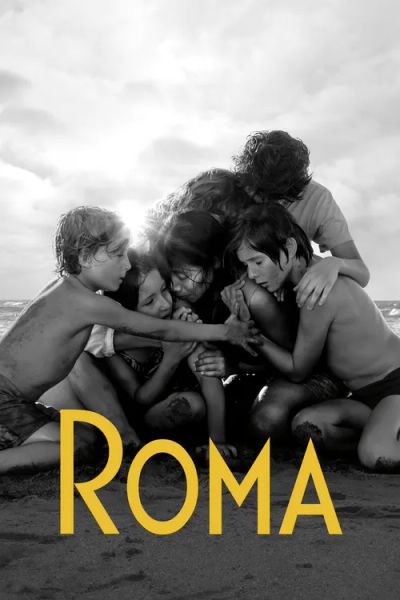
Film · 2018 · Drama
Roma
B2MexicanRelaxed dialogueRelaxed: slower, easier to follow· 135 minIMDb 7.6·RT 96% on Netflix
 Mexicanon Netflix
In 1970s Mexico City, two domestic workers help a mother of four while her husband is away for an extended period of time.
27 words and expressions9 free to read and keep
Keep one and it comes back tomorrow, then 3 days, then a week, until you know it.
Worth remembering from this film
Ordered by what we think matters most.
señora
ma'am; mistress of the household; respectful address for a married or older womannoun (f)La señora me pidió que planchara las camisas antes del mediodía.The lady of the house asked me to iron the shirts before noon.encargo
pregnancy (euphemistic, Mexican colloquial); also: errand, ordernoun (m)Mi vecina ya no pudo ir al trabajo porque está con encargo.My neighbor couldn't go to work anymore because she's expecting.dar razón
to give a sign of life, to get in touch, to be reachableexpressioncolloquialIn Mexican colloquial use, 'dar razón' means to make contact or report back. The literal meaning of 'dar razón' (to give a reason/account) does not capture this idiomatic sense of staying in touch or being heard from.
Llevas tres días sin dar razón, ¿qué te pasó?You've gone three days without a word. What happened to you?corriente
current (water or air); also: common, low-class (adj)noun (f)Cuando eres principiante, la corriente del río puede ser muy peligrosa.When you're a beginner, the river current can be very dangerous.patrona
female employer, mistress (in the context of domestic service)noun (f)La patrona le dio el día libre para que fuera al médico.The employer gave her the day off so she could go to the doctor.manifestación
protest, demonstration, marchnoun (f)Hubo una manifestación de estudiantes frente al palacio de gobierno.There was a student demonstration in front of the government palace.reposo
rest, bed rest (often prescribed medically)noun (m)El doctor le recetó reposo absoluto durante las primeras semanas del embarazo.The doctor prescribed complete bed rest during the first weeks of pregnancy.
vulgar2 more entries, marked strong language because the film uses them.Show themHide them
pinche
damn, lousy, wretched (intensifier expressing contempt or frustration)expressionvulgarOne of the most common Mexican Spanish expletive intensifiers. Placed before a noun, it expresses irritation, contempt, or emphasis. Its tone ranges from mildly vulgar to strongly offensive depending on context and target.
No encuentro el pinche control remoto por ningún lado.I can't find the damn remote control anywhere.ni madres
absolutely not, no way in hellexpressionvulgarAn emphatic, vulgar refusal or denial. Stronger and more abrupt than a simple 'no'. The literal words give no indication of this meaning.
¿Que me pague él la cena? Ni madres, ese tipo me debe tres meses de renta.He's going to pay for my dinner? No way, that guy owes me three months' rent.
9 worth keeping from this film. Free to read and keep.
An account is all it takes to keep them.
What Pro opens
- 12 more words and 6 more expressions here, and every entry in every other pack.
- Examples spoken in the show’s own dialect, not a browser voice.
Get Pro ›$59 $29.50 a year, or $8 $4 a month in USD. Early bird, 50% off for life. Cancel anytime.