‹ Pedro Páramo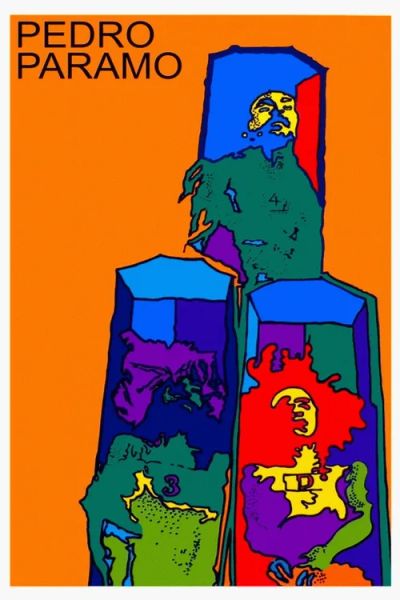
Film · 1967 · Drama
Pedro Páramo
C1Mexican104 minIMDb 7.1on fuboTV
 Mexican
When his mother Dolores dies, Juan Preciado, son of Pedro Páramo, goes to Comala to claim his inheritance; but when he arrives he finds an abandoned and sinister place, inhabited by mysterious voices and whispers…
28 words and expressions9 free to read and keep
Keep one and it comes back tomorrow, then 3 days, then a week, until you know it.
Worth remembering from this film
Ordered by what we think matters most.
difunto
the deceased, the dead personnoun/adjective (m)Los familiares del difunto se reunieron para velar su cuerpo toda la noche.The relatives of the deceased gathered to hold a wake all night.lienzo
boundary wall, stone fence (also: canvas)noun (m)El rancho estaba delimitado por un lienzo de piedra que se extendía por kilómetros.The ranch was bordered by a stone wall that stretched for kilometers.usufructo
usufruct, unlawful use of another's land or propertynoun (m)Lo acusaron de usufructo porque cultivaba tierras que no le pertenecían legalmente.He was accused of usufruct because he was farming land that did not legally belong to him.arriero
muleteer, mule drivernoun (m)El arriero conocía todos los caminos de la sierra y guiaba a los viajeros.The muleteer knew all the mountain paths and guided travelers.penar
to wander as a soul in torment, to suffer in the afterlifeverbSegún la leyenda, las almas de los que mueren sin confesión quedan penando en ese lugar.According to legend, the souls of those who die without confession are left wandering in torment in that place.de a tiro
completely, totally, absolutely (used for emphasis)expressioncolloquialA Mexican intensifier meaning 'all the way', 'totally', or 'outright'. It has no compositional meaning from its parts and is characteristic of Mexican informal speech.
Llegó de a tiro agotado después de caminar todo el día bajo el sol.He arrived completely exhausted after walking all day in the sun.lo mero profundo
the very depths, the deepest partexpressioncolloquial'Mero' in Mexican Spanish functions as an intensifier meaning 'very', 'exact', or 'right'. It is not used this way in other varieties of the language. 'Lo mero profundo' means 'the absolute depths', often used in a figurative or dramatic sense.
Cayó en lo mero profundo de la desesperación cuando perdió todo lo que tenía.He fell into the absolute depths of despair when he lost everything he had.alojamiento
lodging, accommodationnoun (m)Cuando llegamos al pueblo, buscamos alojamiento para pasar la noche.When we arrived at the village, we looked for lodging to spend the night.rencor
resentment, bitternessnoun (m)Después de tantos años, seguía cargando un rencor profundo hacia su ex socio.After so many years, he still carried deep resentment toward his former partner.
9 worth keeping from this film. Free to read and keep.
An account is all it takes to keep them.
What Pro opens
- 10 more words and 9 more expressions here, and every entry in every other pack.
- Examples spoken in the show’s own dialect, not a browser voice.
Get Pro ›$59 $29.50 a year, or $8 $4 a month in USD. Early bird, 50% off for life. Cancel anytime.